Water Damage Restoration Durham, NC
From loft apartments in old tobacco buildings to the historic houses of Trinity Park, local water damage pros extract standing water, dry the structure to a measured goal and record each step for the claim.
Turn off the water at the main if you safely can, keep clear of wet outlets and take photos first.
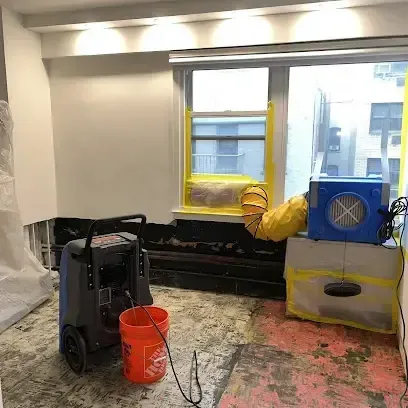
Water Damage Restoration Services in Durham, NC
Work shaped to a clay-soil Piedmont city: river and creek flooding, summer thunderstorms, older historic homes, converted lofts and the pipes and appliances inside them.
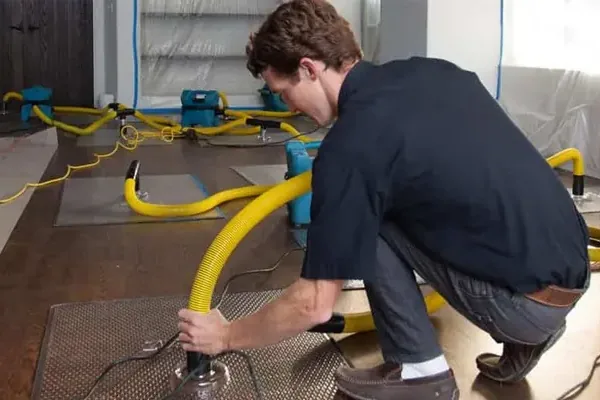
Water Extraction and Removal
Standing water lifted out of rugs, pad, wood floors and tile with truck-mounted units, before it creeps into baseboards and drywall.
Inside the water extraction and removal work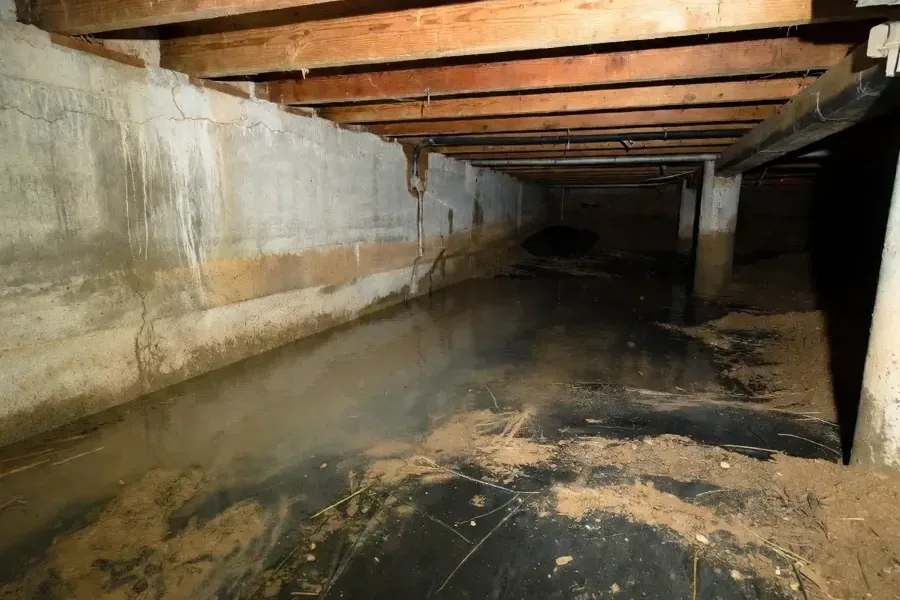
Crawl Space Water Removal
Pooled water under the floor pumped out, soggy insulation bagged, and the framing beneath the house dried with sized dehumidifiers.
Inside the crawl space water removal work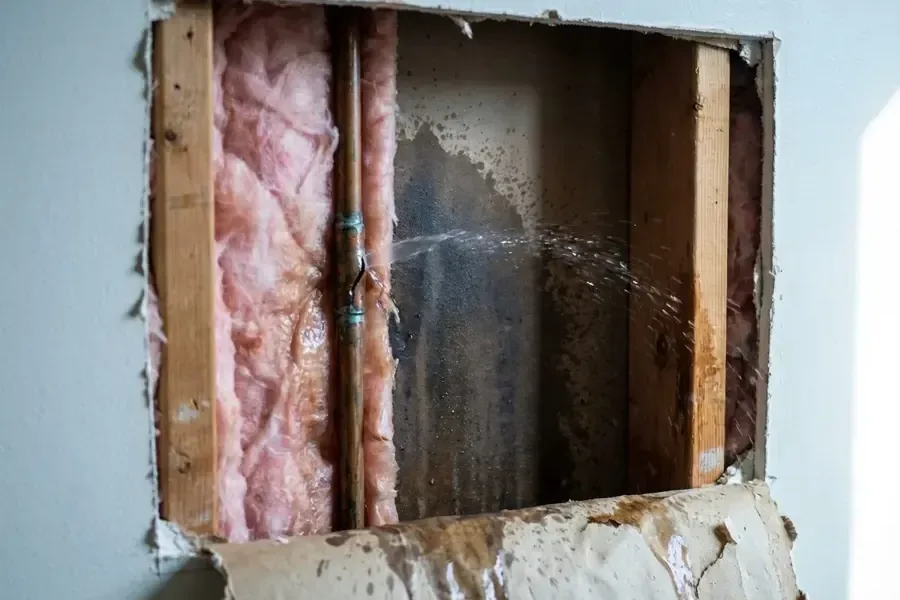
Burst Pipe Water Damage
A cracked fitting or split supply pipe behind a wall found with meters and thermal imaging, then the cavity opened and dried.
Inside the burst pipe water damage work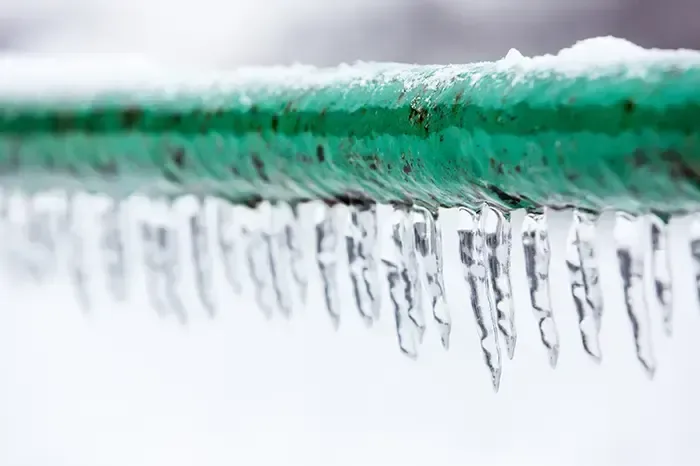
Frozen Pipe Water Damage
Water from pipes that split during a cold snap, traced once the ice melts and the leak finally starts to run.
Inside the frozen pipe water damage work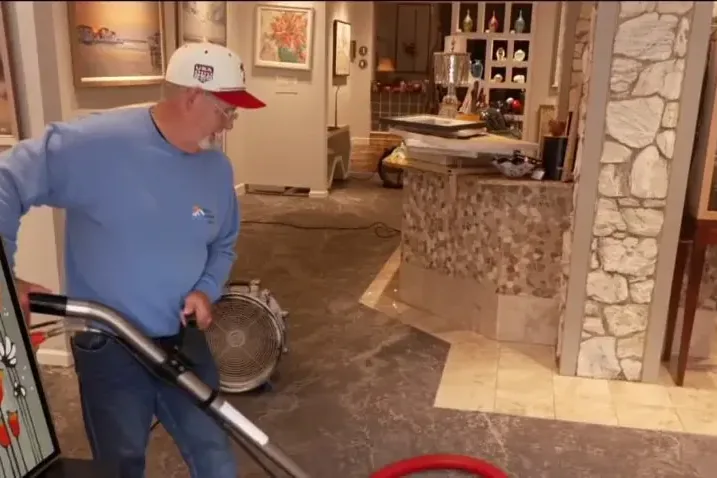
Storm and Hurricane Rain Damage
Rain driven in by summer thunderstorms or tropical remnants pulled out of ceilings, wall cavities and soaked attic insulation.
Inside the storm and hurricane rain damage work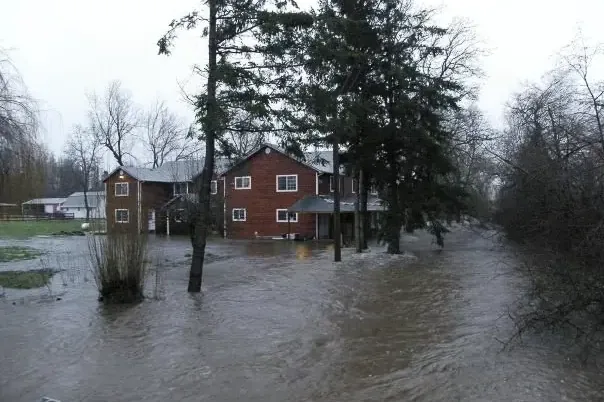
Flood Water Cleanup
River and creek water that reaches a home handled as contaminated from the start, with soaked materials removed and surfaces treated.
Inside the flood water cleanup work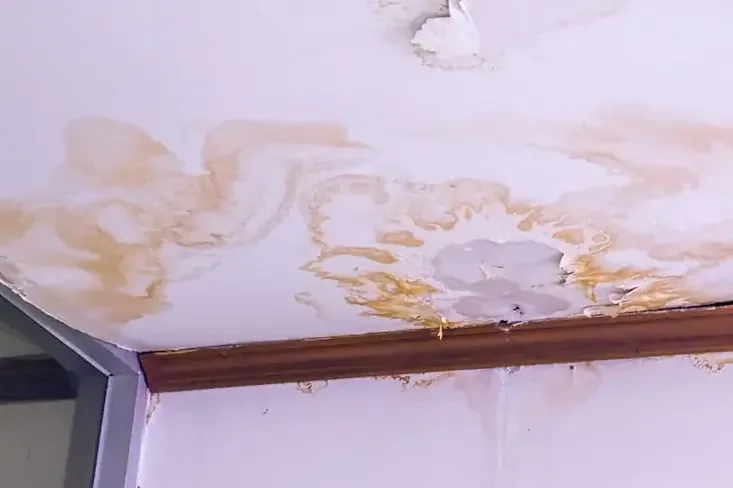
Roof Leak Water Damage
Water that slipped past shingles or flashing followed through the attic, wet insulation pulled and stained ceilings dried or replaced.
Scope, cost and drying time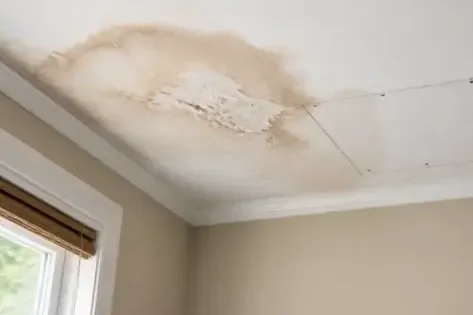
Ceiling Leak Water Damage
Leaks from a bath, laundry or loft unit overhead traced to the source, the ceiling drained safely and joist bays dried.
Scope, cost and drying time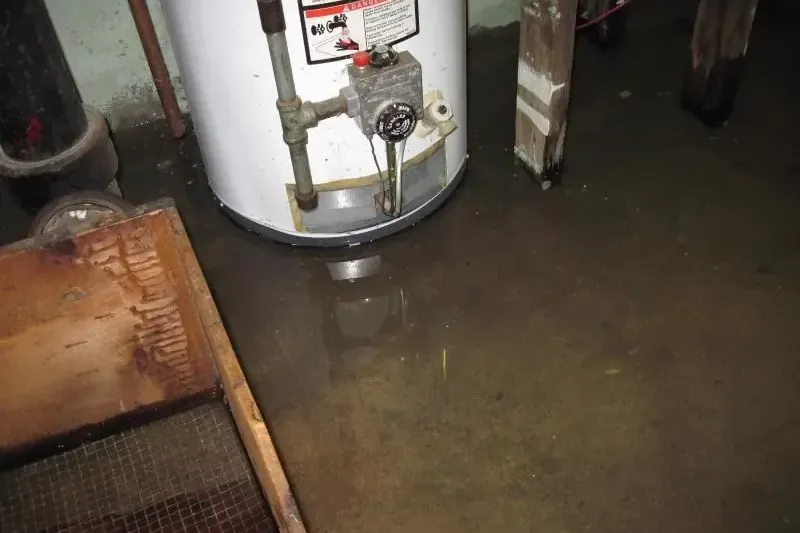
Water Heater Leak Cleanup
A failed tank or relief valve shut down, the surrounding floor and walls extracted, and any ceiling below dried out.
Scope, cost and drying time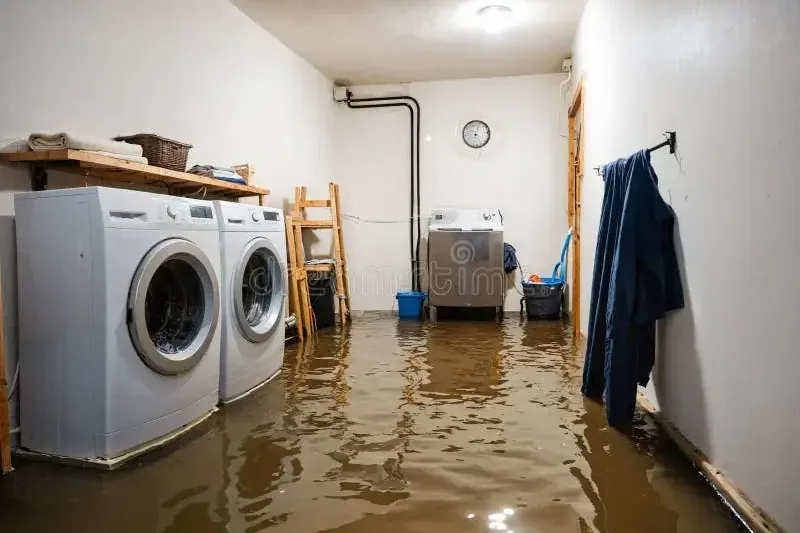
Appliance and Supply Line Leaks
Washer, dishwasher, fridge and toilet supply failures cleaned up from floors, cabinets and the unit or room underneath.
Scope, cost and drying time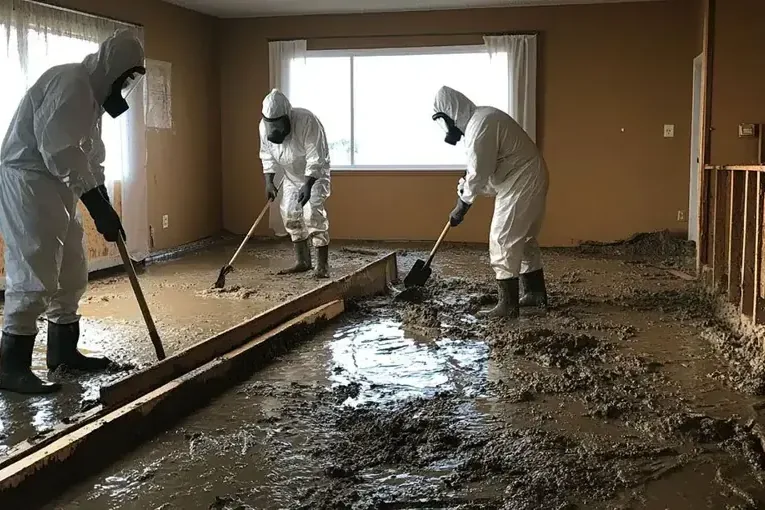
Sewage Backup Cleanup
Backups from toilets, tubs and floor drains treated as Category 3, with porous materials removed and EPA-registered antimicrobial applied.
Scope, cost and drying time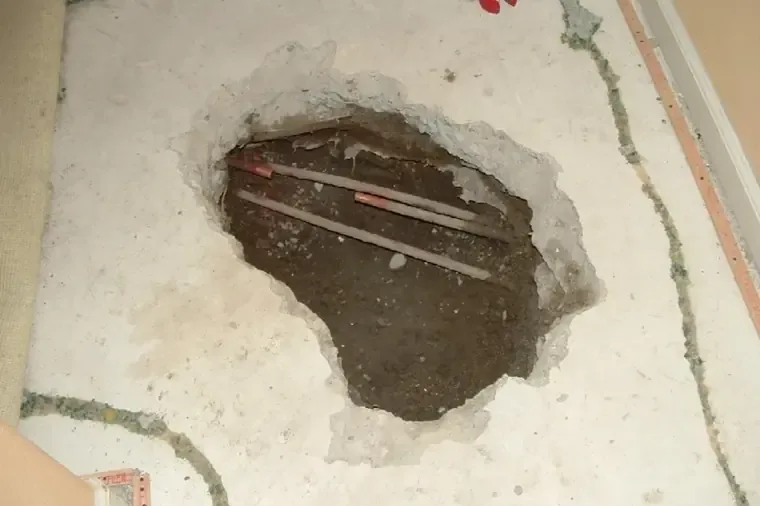
Slab Leak Water Damage
Leaks hidden under a concrete floor mapped from above, flooring lifted where wet and the slab dried with LGR and desiccant units.
Scope, cost and drying time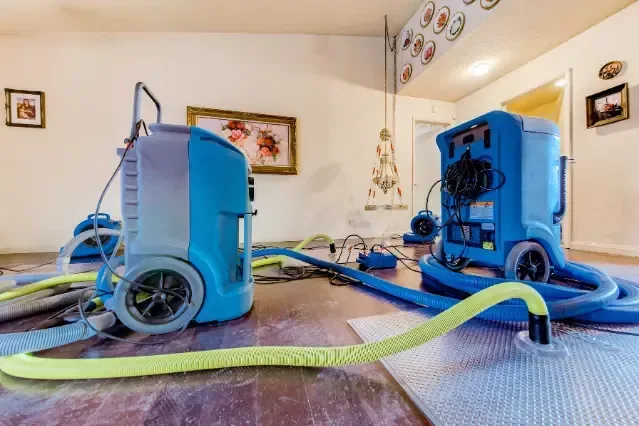
Structural Drying and Dehumidification
Framing, subfloor, plaster and drywall dried against a dry reference with air movers and dehumidifiers matched to the loss.
Scope, cost and drying time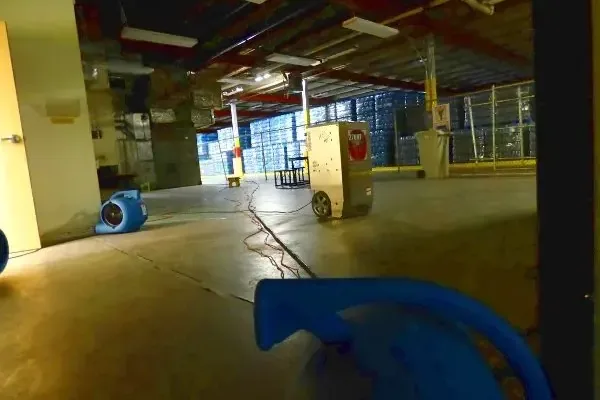
Commercial Water Damage
Offices, labs, lofts and storefronts dried in phases so classes, clinics and businesses can keep working where it is safe.
Scope, cost and drying timeFive steps that limit the damage in the first hour
Close the main valve
Shut the main water valve, often near the meter, in a utility closet or where the pipe enters the house.
Switch off wet circuits
Turn off breakers for the wet rooms, but only if the panel sits in a dry spot.
Take photos before cleanup
Shoot wide views and close-ups of standing water, stains and damaged belongings before anything moves.
Rescue what you can
Carry rugs, papers and electronics to a dry room and put foil or blocks under furniture legs.
Keep clear of dirty water
If the water came from a drain or the river, keep children and pets well away from it.
What the S500 drying standard asks of every job
The IICRC S500 standard covers how water is sorted into categories, how drying gear is matched to the class of loss, and how a structure is proven dry with meters instead of a hand on the wall.
Find every wet spot
Pin and pinless meters, plus thermal imaging, show how far water moved through floors, walls and any space under the house.
Pull water and ruined materials
Truck-mounted extractors lift standing water, and Category 3 or damaged materials leave under containment.
Match equipment to the loss
Air movers and LGR dehumidifiers go in by class of loss, with desiccant units for concrete and hardwood.
Check readings until dry
The drying team logs readings daily and removes equipment only when materials sit within 2 to 4 points of a dry reference.
What water damage and a proper dry-out usually look like
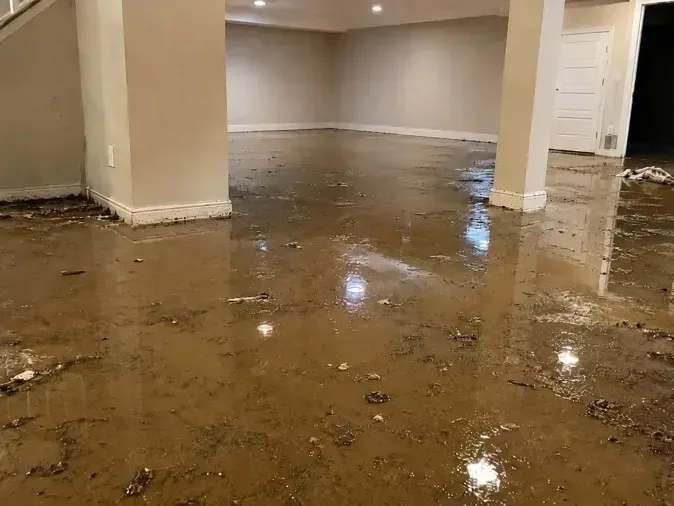
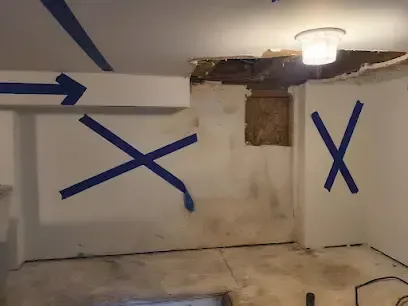
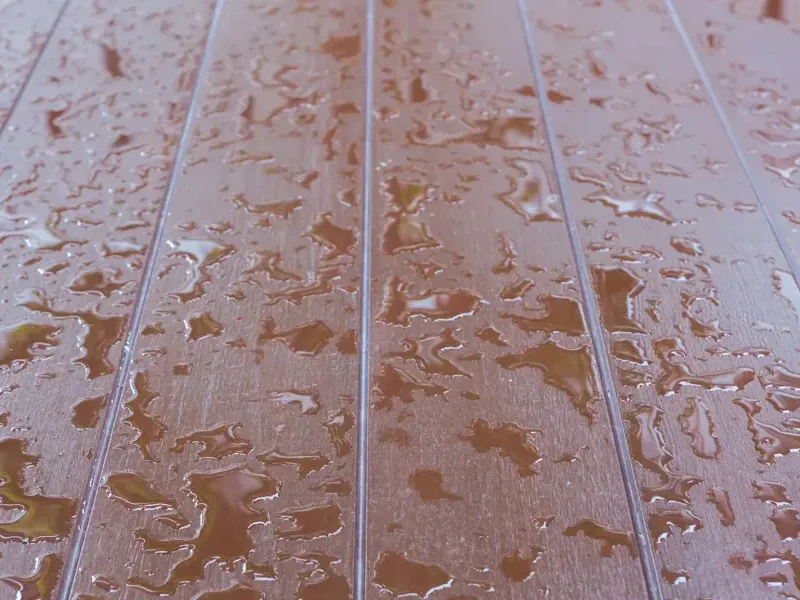
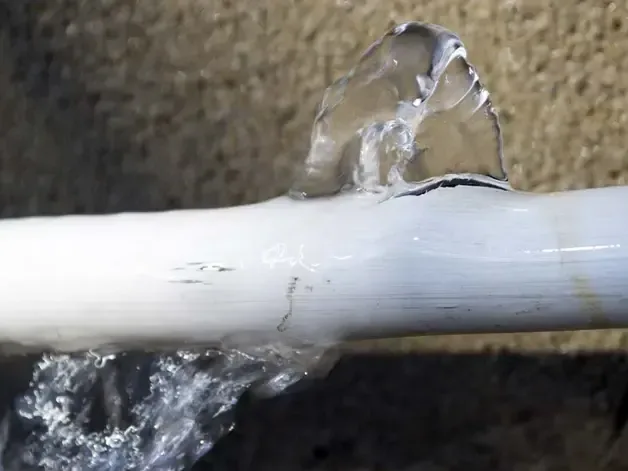
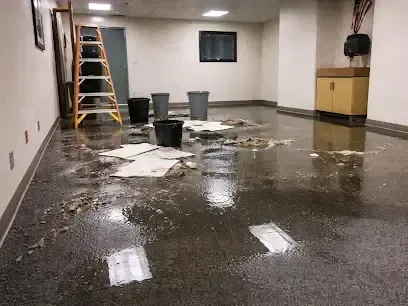
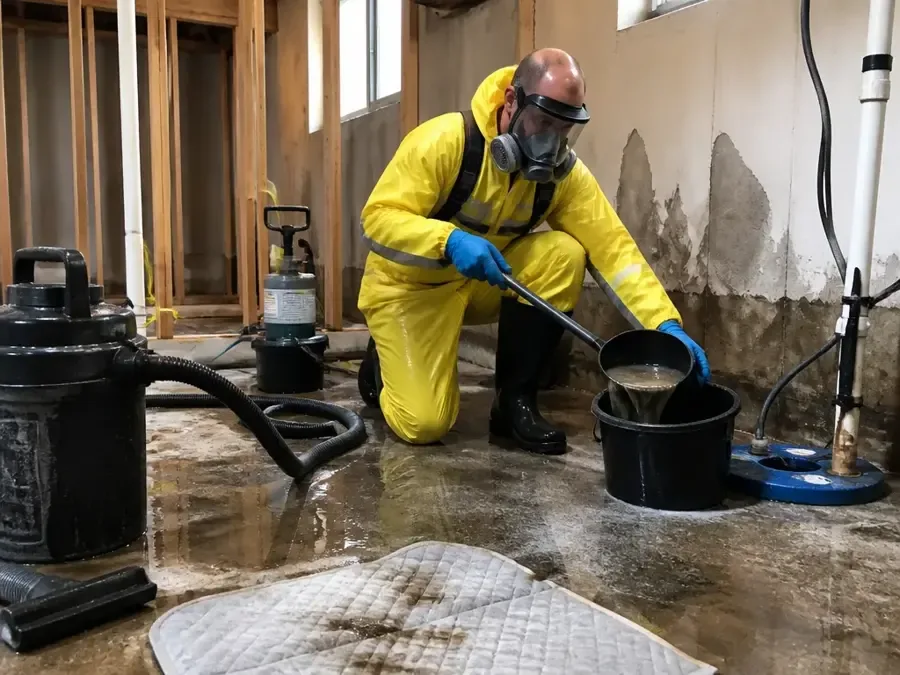
Why a dry-feeling floor is not a dry house
Water hides in subfloor, framing and the bottoms of walls long after the carpet feels dry. Meters show where, and the drying plan follows those numbers.
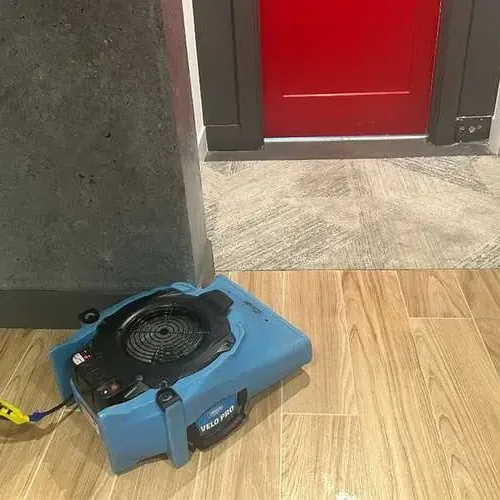
Any hour, any day
Active water is treated as urgent 24/7, through nights, weekends and holidays, since drying cannot start until extraction finishes.
Sized to the class of loss
The count of air movers and dehumidifiers comes from the class of loss and the room volume, never a guess made at the door.
A file adjusters can follow
Moisture maps, daily psychrometric logs and photos stamped before any demolition build the claim record while the work runs.
Ready for old and new homes
Plaster walls in historic districts, converted tobacco lofts and 1970s and 1980s houses in the south of the city each dry differently, and each gets checked.
How clean, gray and black water change the cleanup
Clean water from pipes and tanks
A split pipe, a water heater or a supply hose sends out clean water at first. Dried quickly, most of what it touched can stay.
See the pipe leak processGray water from washers and dishwashers
Appliance water carries detergent and grime, so wet pad is usually pulled and hard surfaces get an antimicrobial before drying.
See appliance leak dryingBlack water from drains and rivers
Sewage and river or creek flood water are Category 3 from the first minute, and porous materials they reach come out.
See the sewage cleanup stepsWhat does water damage restoration cost in Durham, NC?
Most clean-water losses confined to one room land between $1,200 and $5,500. Once water reaches a crawl space or several rooms, or turns out to be Category 3, plan on $5,500 to $15,000 or more.
- Extraction and pad pull
- Air movers plus LGR units
- Moisture logged each day
- Water pumped from below
- Soaked insulation out
- Contained drying zone
- Category 3 removal
- EPA-registered antimicrobial
- Dried ready for rebuild
What moves the number
These are typical ranges, not quotes. Water category, wet square footage, material class and the time before drying began drive the price. The cost calculator narrows it, and the walkthrough sets the scope.
What goes into a solid claim file
Adjusters pay for what they can see recorded. The file starts at the first visit, before carpet, pad or drywall is carried out of the house.
- A moisture map that shows where the water spread
- Daily psychrometric logs of temperature, humidity and grains per pound
- Photos with time stamps taken before any tear-out
- The category of water and class of loss noted on the first day
- An itemized scope of what came out and the reason
Check your policy first
Sudden, accidental water such as a burst pipe or a failed tank is commonly covered. River and creek flooding usually needs a separate flood policy, and sewer backup often needs its own endorsement.
Read your own policy and call your insurer before work starts. The restoration team documents the loss, and the insurer makes the coverage decision.
From Trinity Park and Walltown to Hope Valley
ZIP codes
Anywhere from the Eno River to The Streets at Southpoint
Crews cover the whole city 24/7, from historic Trinity Park and Walltown near Ellerbe Creek to the 1970s and 1980s subdivisions in the south of the city.
Street not listed? Call anyway, since coverage takes in ZIP 27701, 27705 and 27707 and the surrounding county.
Email for non-urgent questions: [email protected]
Browse all the towns and areas covered ›
(888) 578-4720Check coverage for your blockNeighborhoods and landmarks
Nearby places
How water finds its way into Durham homes
The city sits in the Piedmont on predominantly clay soil, with the Eno River to the north, hot humid summers and about 46.07 inches of precipitation a year at Raleigh-Durham International Airport.
Clay soil that holds water
The predominantly clay soil drains slowly, so long storms keep water against foundations and around buried pipes instead of letting it soak away.
Rivers and creeks that rise
The Eno River, Ellerbe Creek, Third Fork Creek and Stirrup Iron Creek all carry runoff, and the 1996 crest of Hurricane Fran is still marked by a high-water sign on the Eno.
Summer thunderstorms
Hot, humid summers bring frequent thunderstorms that drive rain past roofs, windows and doors, and projections call for more days of extreme rain.
Older buildings and lofts
Historic districts such as Trinity Park and Forest Hills, plus tobacco warehouses converted to loft apartments, put old materials and stacked units in the path of a leak.
Cold snaps and main breaks
A large water main break on the east side in January 2016 came with cold that froze some of the water, a reminder that pipes feel the cold too.
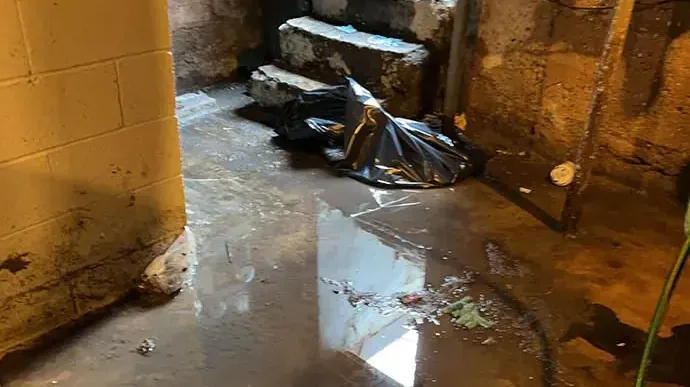
July 2025, Chantal rain Rain from Chantal pushed the Eno River to a record level above 25 feet, and first responders rescued dozens of people near the river.
Common water damage questions from Durham homeowners
Water spreading through the house?
Questions can wait. Close the main if it is safe, stay away from wet outlets and call; dispatch works around the clock.
(888) 578-4720 Walk through the leak by phoneHow soon can a crew reach a home here?
Dispatch runs 24/7 and treats active water as urgent at any hour, holidays included. Arrival depends on the day and where crews are working, so the dispatcher gives an honest time window during the call.
Does homeowners insurance cover water damage?
Sudden, accidental water such as a burst pipe or a failed tank is commonly covered. Water from a flooding river or creek usually needs a separate flood policy, and sewer backup often needs an endorsement. Read your own policy; the insurer decides coverage.
What should happen if the Eno River or a creek floods the house?
Treat the water as Category 3. Stay out of it, keep power off in wet rooms and photograph the water line. Soaked carpet, pad, drywall and insulation come out, and the flood water cleanup steps cover the rest.
How long does drying usually take?
A contained clean-water loss caught early often dries in three to five days. Plaster, hardwood, concrete and slab leak drying take longer, and equipment stays until readings reach the dry goal.
Can plaster walls in an older house be dried?
Often, yes. Plaster holds water longer than drywall, so it needs closer monitoring and steady dehumidification. Sections that soften, crack loose or hold sewage are removed.
What does IICRC S500 mean for my house?
It is the industry standard for water damage restoration. It sets how the water is classified, how drying equipment is sized and how dryness is proven with meter readings rather than touch.
Who takes reports of a water main break or a sewer overflow outside?
The city takes water main break and sewer overflow reports 24 hours a day, and drainage trouble on private property goes to Durham One Call. The restoration team handles the water inside the home.
Why is sewage cleaned up differently?
Sewage is Category 3 water from the first minute. It carries bacteria and viruses, so the crew works in PPE, removes porous materials it reached and applies an EPA-registered antimicrobial for its full label dwell time.
How is the price of a water damage job worked out?
By the water category, the square footage that got wet, the material class and how soon drying began. Equipment days, removal, containment and antimicrobial work appear line by line in the scope.
Can a converted loft leak into the unit below?
Yes. In former tobacco buildings turned into loft apartments, water from a washer, a tub or a pipe above can reach the ceiling and walls of the unit below, so both units get checked with meters.
Water moving through your home right now? Get drying underway.
Each hour the water sits, it soaks deeper into floors and walls. The extraction crew rolls 24/7 across the city.
(888) 578-4720Get the drying started by phone