Water Damage Restoration Wake Forest, NC
A soaked floor, a stained ceiling or a pool under the crawl space needs a crew that dries the whole structure, not just the visible puddle. Wake Forest homes and businesses can call at any hour.
Pipes past the meter are the owner's to repair, so close the valve first and start drying.
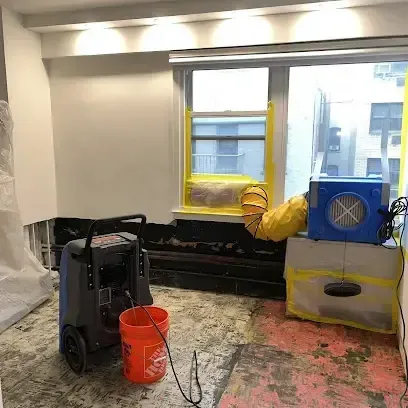
Water losses handled from the first call
Each job starts with stopping the source and then pulling out standing water. The cards below cover the specific loss, from a split supply pipe to a flooded crawl space.
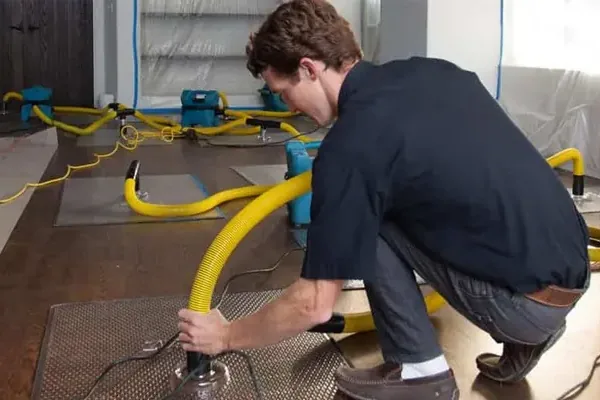
Water Extraction and Removal
Pumps and extraction wands pull standing water off floors first, giving carpet, pad and hardwood a real chance to dry in place.
Inside the water extraction and removal work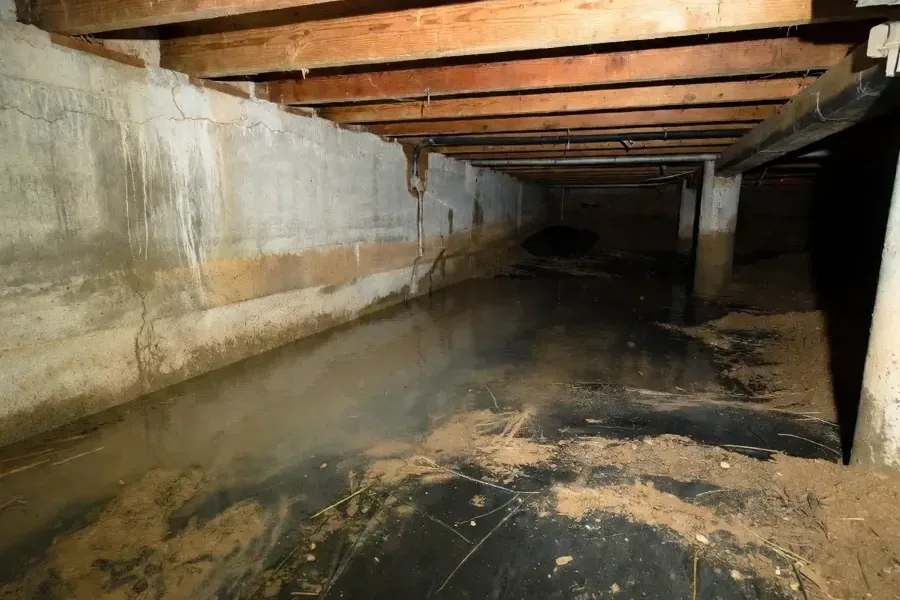
Crawl Space Water Removal
Water pooled on the vapor barrier gets pumped out, then soaked insulation and subfloor framing are dried.
Inside the crawl space water removal work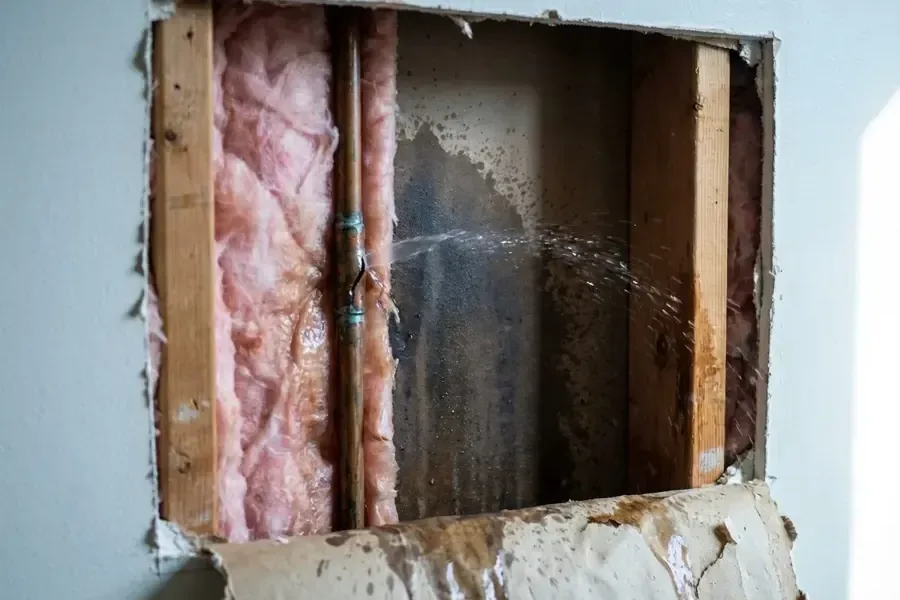
Burst Pipe Water Damage
A split pipe soaks wall cavities and the ceiling below quickly, so the valve is closed and wet drywall opened early.
Inside the burst pipe water damage work
Frozen Pipe Water Damage
Cracked pipes often show themselves at the thaw, and the soaked attic insulation and outside walls need drying right away.
Inside the frozen pipe water damage work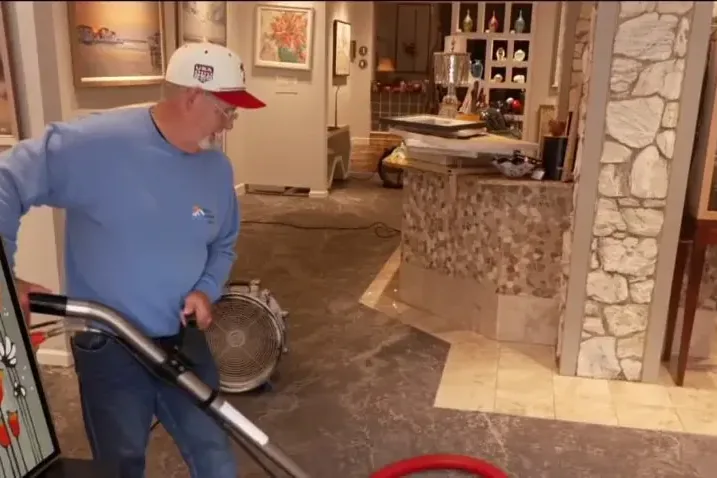
Storm and Hurricane Rain Damage
Wind-driven rain and tropical storms push water through roofs and windows, leaving wet ceilings, walls and floors across several rooms.
Inside the storm and hurricane rain damage work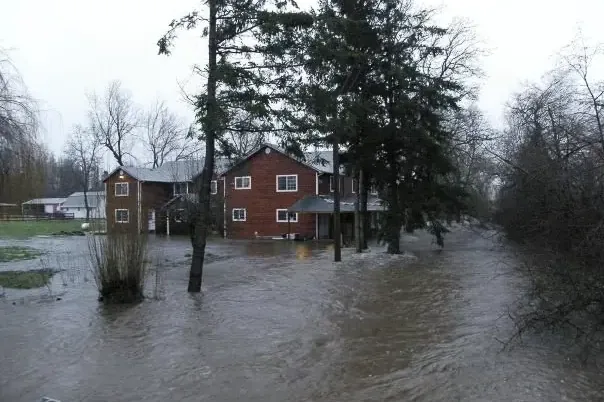
Flood Water Cleanup
Creek overflow and heavy rain bring in silty water that is treated as contaminated, so contents and porous materials are sorted carefully.
Inside the flood water cleanup work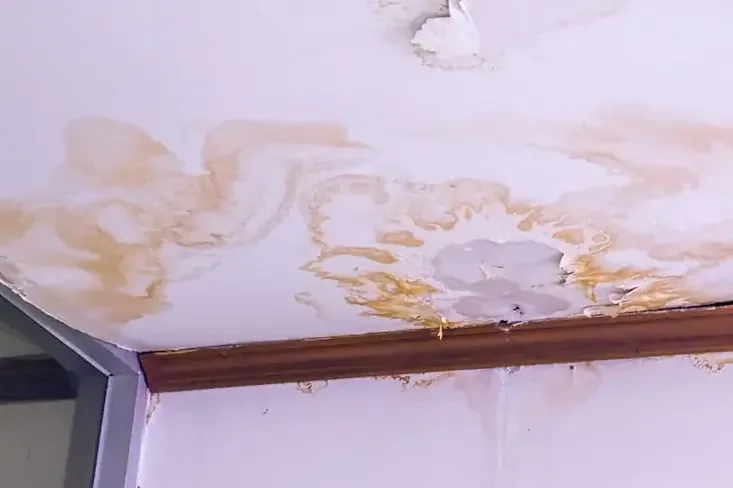
Roof Leak Water Damage
A lifted shingle or a fallen limb lets rain into attic insulation and ceilings, which are then opened and dried.
Scope, cost and drying time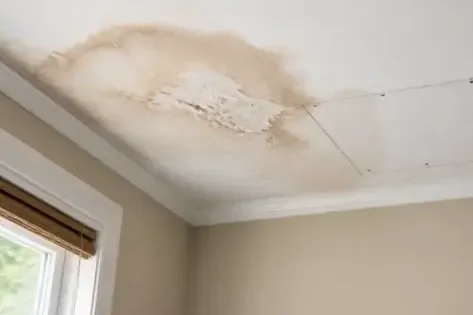
Ceiling Leak Water Damage
A brown stain or sagging drywall points to water above, from the roof or a pipe, and the source comes first.
Scope, cost and drying time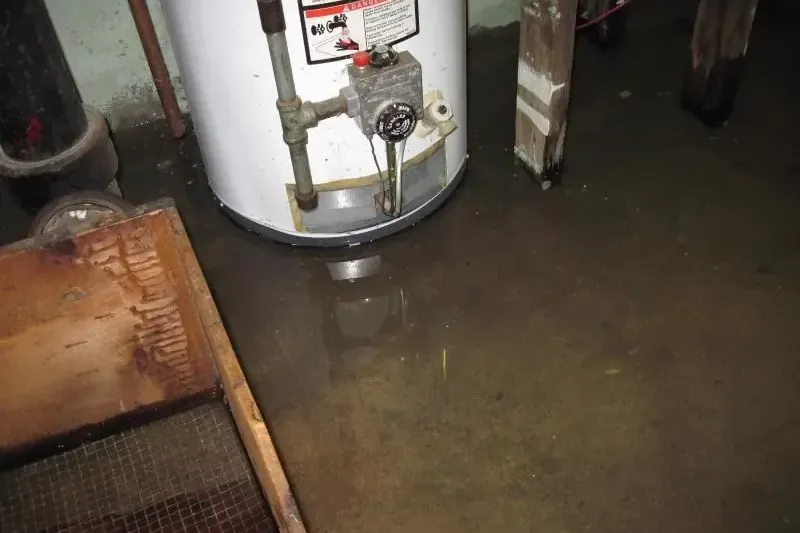
Water Heater Leak Cleanup
A leaking tank gets its supply shut off first, then the closet, garage or subfloor around it is dried.
Scope, cost and drying time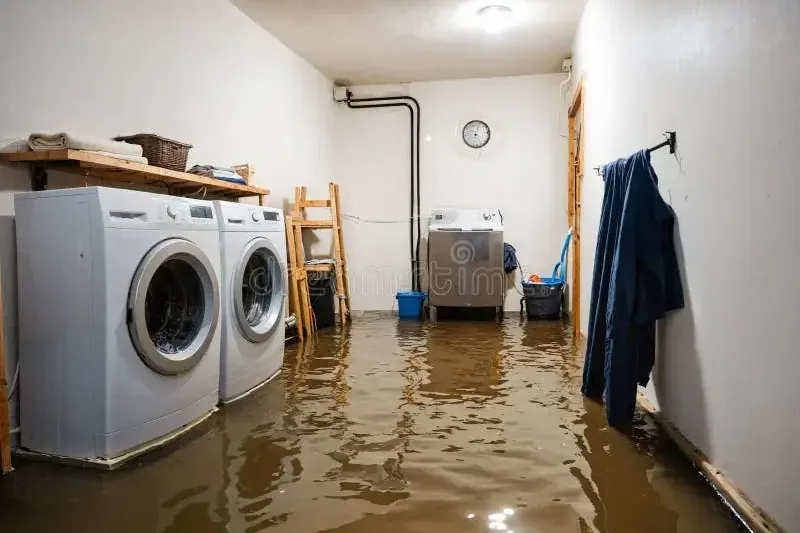
Appliance and Supply Line Leaks
Washers, dishwashers and refrigerator water hoses leak behind cabinets and under flooring, where the damage grows unseen for days.
Scope, cost and drying time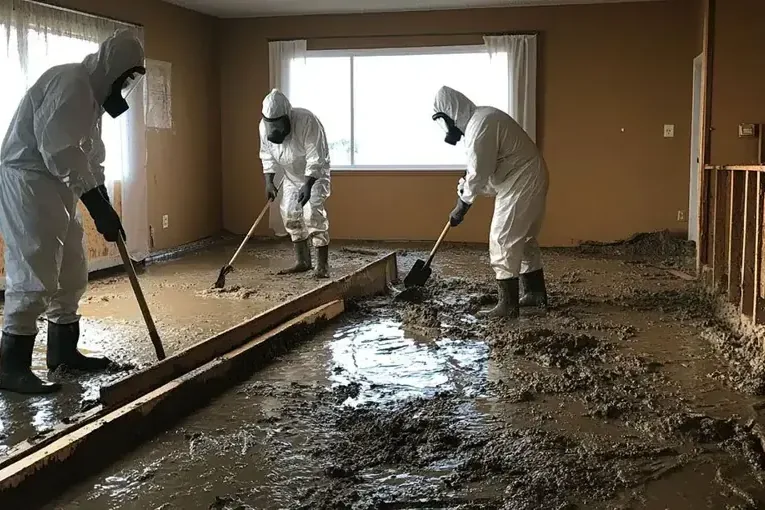
Sewage Backup Cleanup
Backed up drains bring contaminated water indoors, so affected materials are removed, surfaces are cleaned and sanitized, and the area is dried.
Scope, cost and drying time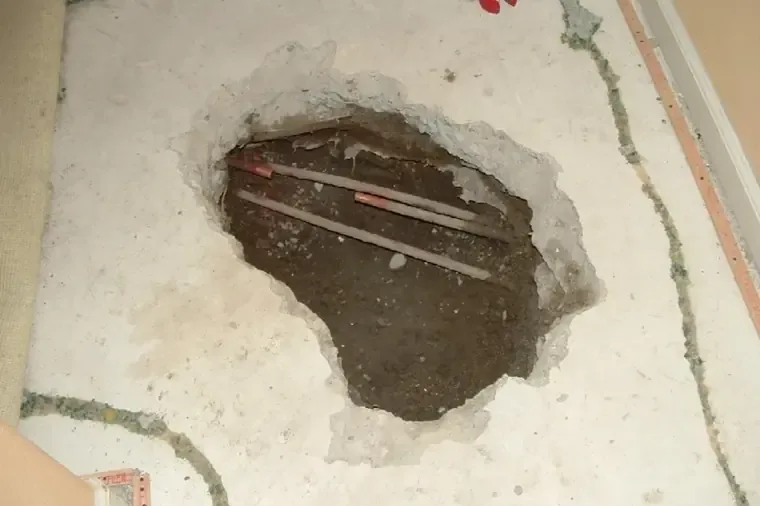
Slab Leak Water Damage
A hidden leak in a pipe under the concrete shows up as damp flooring, and the area is dried once the pipe is fixed.
Scope, cost and drying time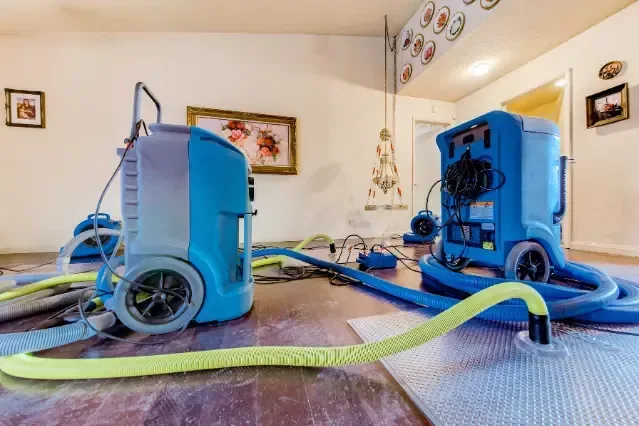
Structural Drying and Dehumidification
Air movers and dehumidifiers dry framing, subfloor and drywall after the standing water is gone, and moisture readings show when it is finished.
Scope, cost and drying time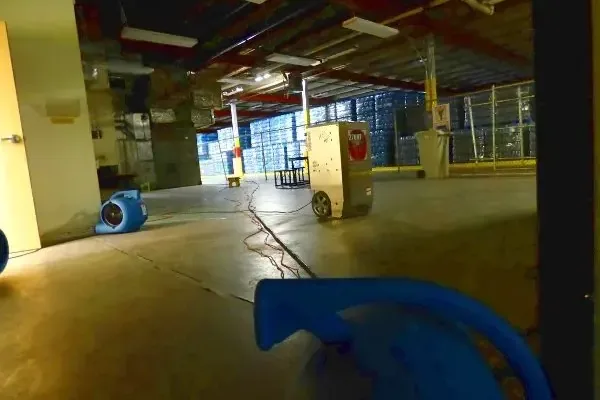
Commercial Water Damage
Stores, offices and shared buildings get containment, extraction and drying planned around the business so the space can reopen sooner.
Scope, cost and drying timeWhat to do while water is still spreading
Stop the water
Close the shutoff valve for the pipe or appliance, and the main valve if the source is unclear.
Cut power to wet areas
Switch off breakers serving wet rooms, and stay out of standing water near outlets or cords.
Lift what can be moved
Move rugs, books and small furniture to dry ground, and pull electronics out of the wet room.
Photograph the damage
Take wide and close photos of every wet surface and damaged item before anything is moved or thrown out.
Call the drying crew
Call a crew and describe the source, the rooms affected and whether the water looks clean or dirty.
A drying standard that ends with readings
Drying is finished when the moisture meter says so, not when the room feels dry. The crew compares readings against a dry reference in the same building and keeps the machines running until the numbers match.
Find the source
The crew traces the water to a pipe, appliance, roof or drain and confirms it has been stopped.
Remove the water
Pumps and wands extract standing water, then wet padding, baseboards and soaked drywall come out.
Dry the structure
Air movers push moving air across surfaces while dehumidifiers pull moisture from the air, adjusted at every visit.
Confirm and document
Final readings are logged against a dry reference, and the file is closed with photos and notes for the adjuster.
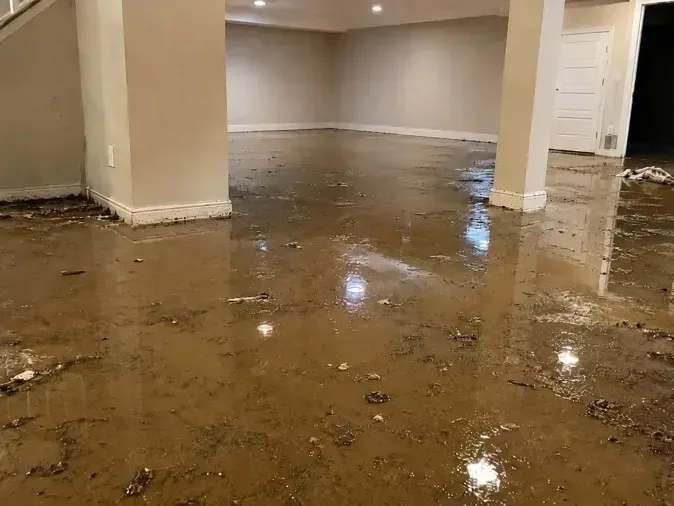
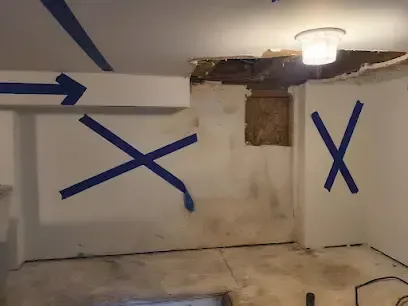
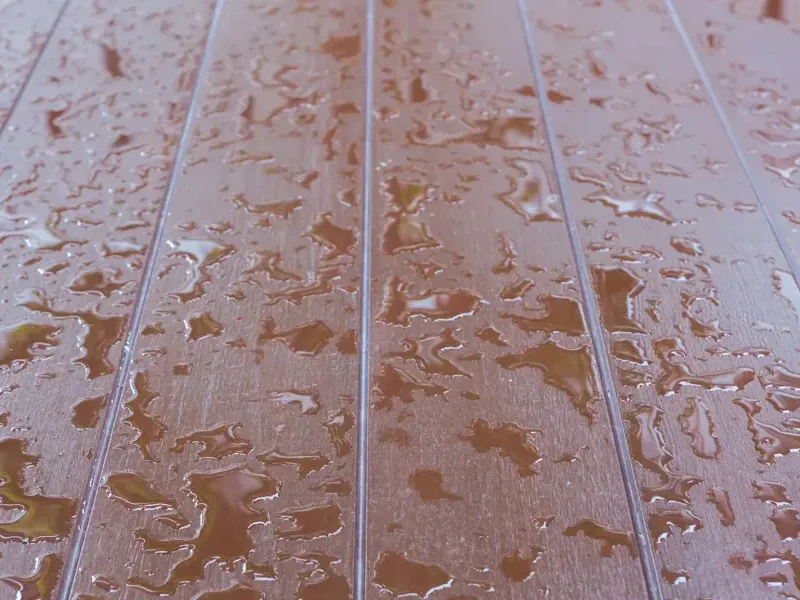
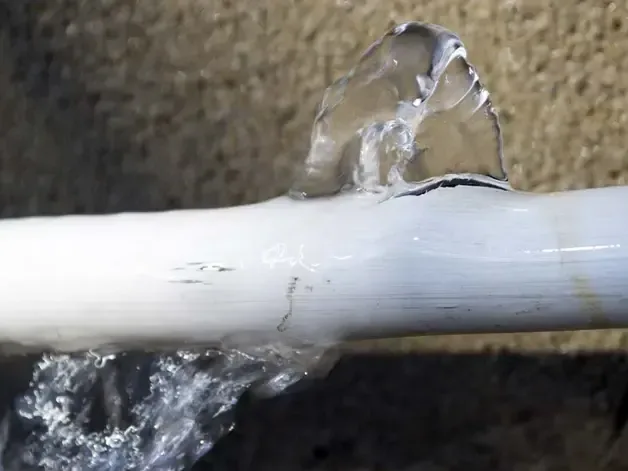
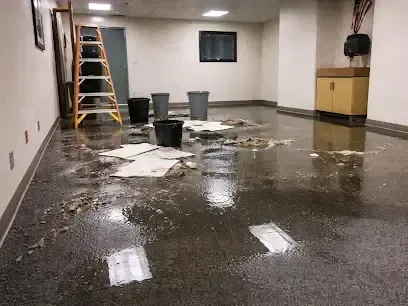
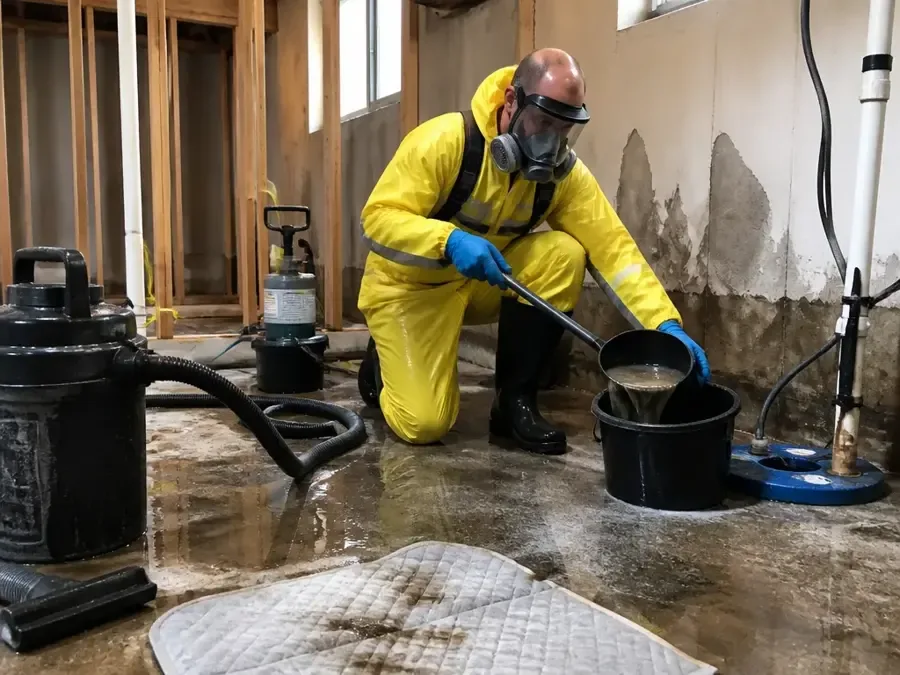
What water damage looks like inside a home
A drying plan built around the building
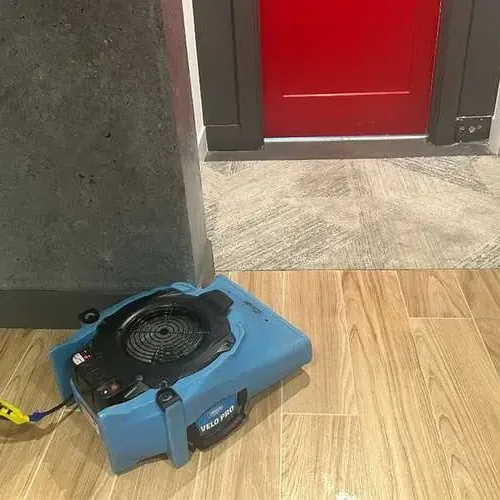
Water moves differently through a crawl space than across a finished floor, so the crew reads the building before setting a single machine.
Moisture mapped first
Meters and thermal readings show where water traveled before any wall, floor or ceiling is opened up.
Equipment sized to the room
Air movers and dehumidifiers are matched to the wet area, then adjusted at each visit as readings drop, so nothing runs longer than it has to.
Clear written scope
The plan lists what is removed, what is dried in place and what the readings must reach.
Insurance paperwork ready
Photos, moisture logs and itemized notes are kept so a claim has the detail an adjuster asks for.
The three calls that come in most often
Pipe breaks inside the home
Past the meter, a failed pipe is the property owner's to repair, and the wet walls and ceilings below need quick drying.
Learn about pipe breaksHeavy rain and storm runoff
Summer storms and tropical rain can push water past thresholds and through roofs, and the floors and walls are dried before swelling sets in.
See storm water recoverySewage and drain backups
Contaminated water needs protective gear, careful removal of soaked materials and sanitizing before anything is rebuilt.
See sewage removal stepsWhat water damage restoration usually costs
A single wet room with clean water usually starts near $1,200, while a flooded floor or contaminated water can pass $15,000. Costs follow how much water there is, what it carried and how many materials got wet.
- Water extraction
- Air movers and dehumidifier
- Daily moisture checks
- Removal of wet drywall
- Contents moved
- Longer drying run
- Sanitizing
- Dry check before rebuild
- Documented scope
What moves the number
Hardwood, plaster and slab floors dry slowly and push a job into the upper tiers. Final pricing follows the moisture readings, because the visible puddle rarely shows how far water traveled.
Getting the paperwork a claim needs
Insurers ask for proof of what was wet, when it happened and what was done. The crew keeps that record from the first visit.
- Photos of every wet room taken before any work starts
- Moisture readings with dates for each drying visit
- A list of materials removed and the reason for each
- Equipment run logs and the drying report
- The cause of the loss written in plain terms
What the owner can handle
Owners can report the loss to the carrier, shut off the water, photograph the damage and move valuables. Anything that alters the evidence, such as tearing out wet drywall, waits until it has been photographed.
Sudden pipe breaks and storm intrusions are often covered, while slow seepage and neglected leaks usually are not. The policy language decides, so the carrier has the final word.
Where the crews work across town
Main ZIP code
Reaching a crew from anywhere in town
Calls from the Wake County and Franklin County parts of town reach the restoration team, which sets up extraction and drying at the property.
Downtown blocks, the Glen Royall mill village and the streets along US 1 are treated the same way, with the source traced first.
Email for non-urgent questions: [email protected]
Browse every service area town ›
(888) 578-4720Report a wet propertyRoads and landmarks
Nearby towns
What threatens local homes and shops
Creeks, storm drains and heavy summer rain shape the water risks here, and the Town of Wake Forest keeps a list of streets that flood in significant rain.
Creek and street flooding
The Town's flood-prone list names street crossings at Richland Creek, Smith Creek, Toms Creek, Sanford Creek, Horse Creek and Dunn Creek, places where heavy rain can leave water standing.
Pipes past the meter
Raleigh Water handles the main and the pipe to the meter, while a break between the meter and the house, or inside it, is the customer's to repair.
Cold snaps
In extremely cold weather the Town and Raleigh Water often field calls about broken pipes, and the Town suggests dripping one faucet near an exterior wall.
Storm drains and downed trees
Public Works clears storm drains year-round, and the Town warns that rain-saturated soil and wind gusts raise the chance of trees falling on buildings.
Hot, humid summers
July and August are the rainiest months, and summer highs often reach the upper 80s to low 90s F, so wet materials stay damp unless they are dried.
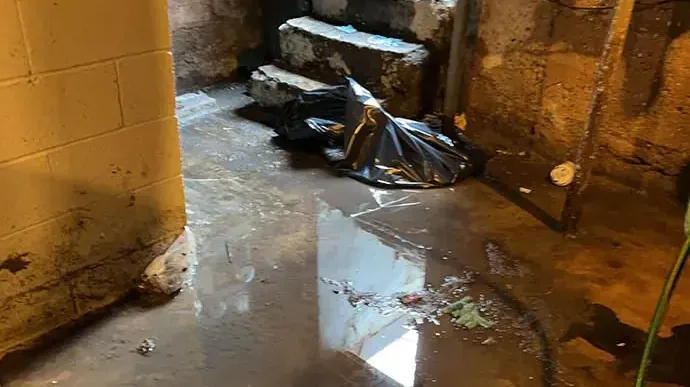
July 2005 The Town of Wake Forest and the City of Raleigh merged their water and sewer systems, and Raleigh took over operating the water and wastewater system serving the town.
Questions from local property owners
Water on the floor right now?
Close the valve, stay clear of outlets and call. The drying crew can talk through the next steps while the water is still moving.
(888) 578-4720 Call about active leaksWho repairs a pipe that breaks inside the house?
The property owner. Raleigh Water covers the main under the street and the pipe up to the meter, but everything past that point, including the pipe inside the walls, is the customer's repair.
What should owners do before a hard freeze?
The Town advises dripping one faucet, the one nearest an exterior wall, and learning where the water shutoff valves are. If a pipe does split, closing the valve first limits what the drying crew must remove.
How soon must wet materials be dried?
Quickly. Wet drywall, padding and framing start to hold moisture that can lead to mold within the first day or two, and humid July and August weather speeds that up.
What does the Town ask residents to do about storm drains?
The Town asks residents to clear debris from drains along their own streets, and Public Works crews clear obstructions year-round. Blocked drains can be reported through SeeClickFix or by calling Public Works.
Is a ceiling stain always from the roof?
No. A stain can come from roof water, an upstairs bathroom, a supply pipe or an air handler. The crew traces moisture with a meter before deciding where to open the drywall.
Can cleanup wait until the rain ends?
Standing water keeps soaking floors and framing, so water extraction is best started once it is safe to enter. Summer humidity keeps wet materials from drying on their own.
Can a business stay open during water damage cleanup?
Often a section can stay open while the wet area is sealed off with plastic sheeting and dried. The plan is built around the layout and hours of operation of each business.
What happens to carpet and hardwood after a leak?
Carpet with clean water can often be dried in place when extraction starts early, but padding is usually discarded. Hardwood is dried slowly with mats, and cupped boards may need replacing after the readings settle.
Does sewage in the house need special handling?
Yes. Sewage backup cleanup treats the water as contaminated, so the crew wears protective gear, removes soaked porous materials and sanitizes what remains. Carpet and padding touched by it are almost always discarded.
What should be moved out of a wet room?
Small furniture, rugs, books and electronics go to dry ground first. Heavy furniture can stay on foil or blocks, and anything porous that held dirty water is set aside for the adjuster to see.
Water is still spreading, so call a crew now
Describe the source, the wet rooms and what is already shut off, and the crew will lay out the first moves.
(888) 578-4720Call for a drying plan