Water Damage Restoration Carrboro, NC
Leaks, burst pipes and rising creeks leave wet materials that keep spreading until the water is pulled out and the structure is dried. The restoration team handles that work for homes and businesses across Carrboro.
Most losses start with a pipe, roof or creek. Name the wet rooms and the crew packs the right equipment.
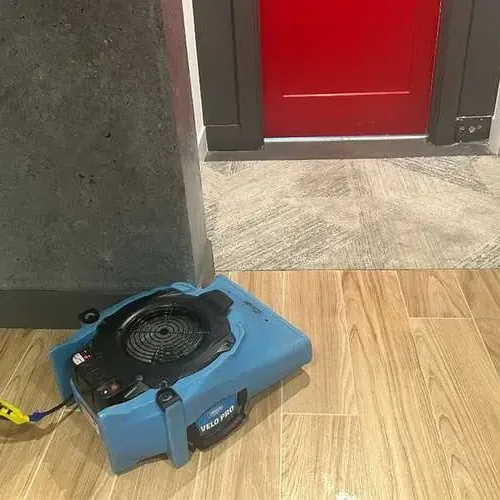
Water damage services for Carrboro homes and shops
Each card opens the full details on cost, steps and common questions. Choose the closest match to the damage, or call and describe it in plain words.
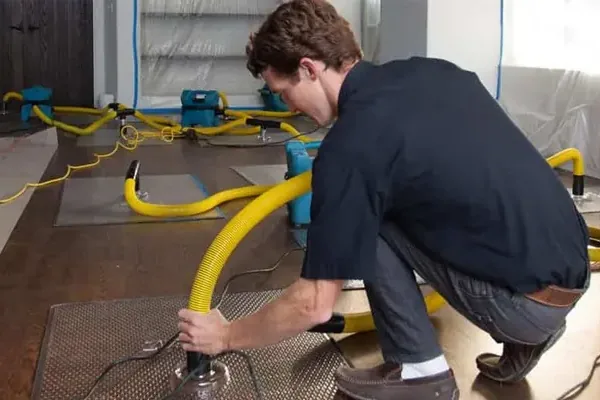
Water Extraction and Removal
Pumps and wands pull standing water off floors and out of carpet before it soaks into subfloors.
Inside the water extraction and removal work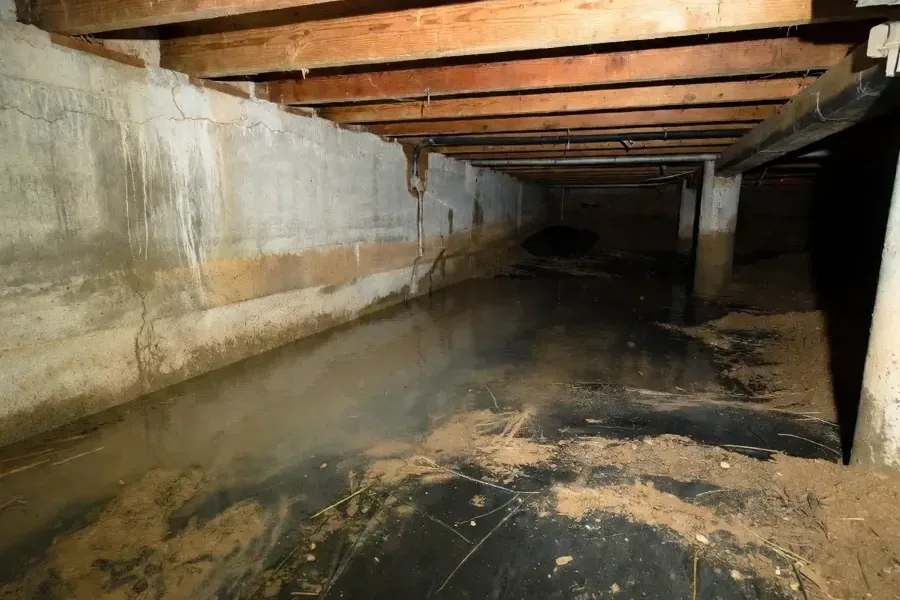
Crawl Space Water Removal
Water under the floor gets pumped out, wet insulation comes down, and the space is dried before the joists suffer.
Inside the crawl space water removal work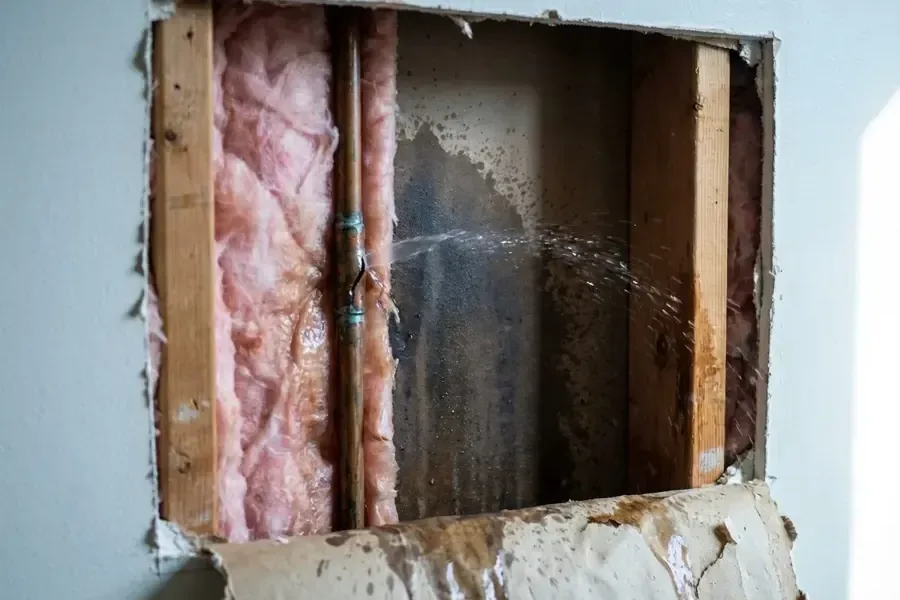
Burst Pipe Water Damage
A split supply pipe is shut off, the soaked walls are opened, and everything behind them is dried properly.
Inside the burst pipe water damage work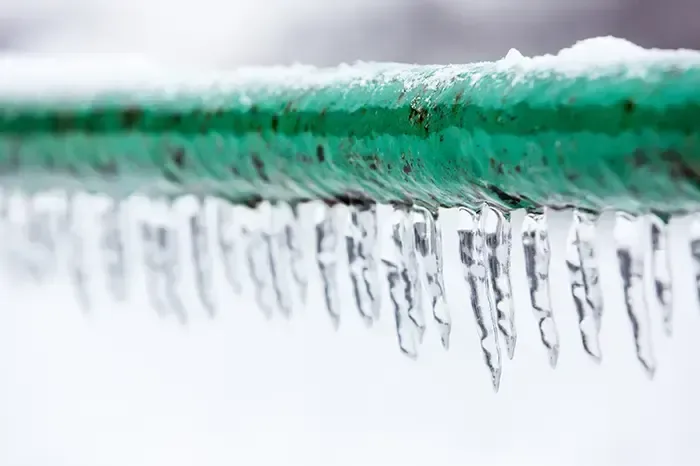
Frozen Pipe Water Damage
Winters here usually stay above freezing until a hard freeze catches pipes unprotected; this covers the thaw cleanup and wall drying.
Inside the frozen pipe water damage work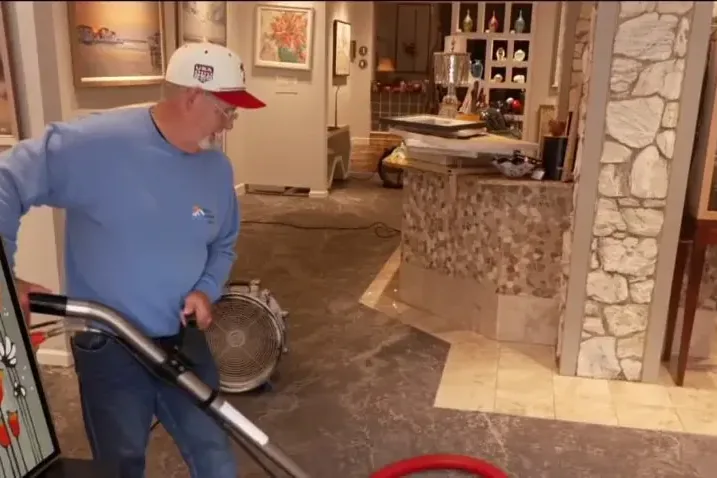
Storm and Hurricane Rain Damage
Wind-driven rain and tropical remnants find a way in through roofs, windows and walls, and this service dries what they soak.
Inside the storm and hurricane rain damage work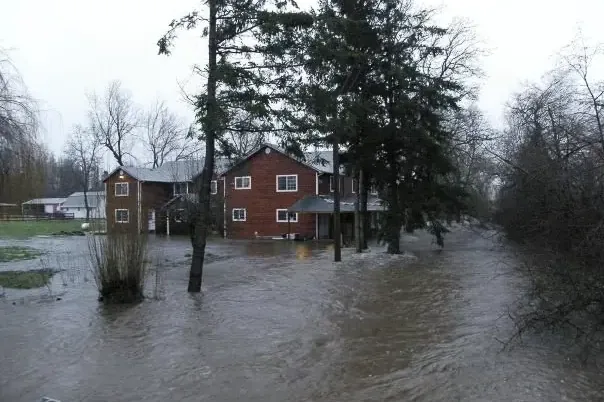
Flood Water Cleanup
Creek water that enters a home counts as contaminated, so removal, cleaning and drying follow stricter steps.
Inside the flood water cleanup work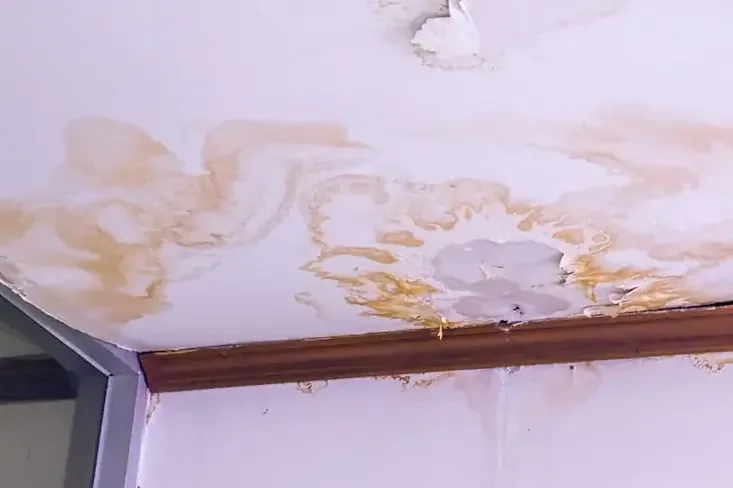
Roof Leak Water Damage
Heavy summer rain tests every roof, and a slow leak can wet attic insulation long before a ceiling stain shows.
Scope, cost and drying time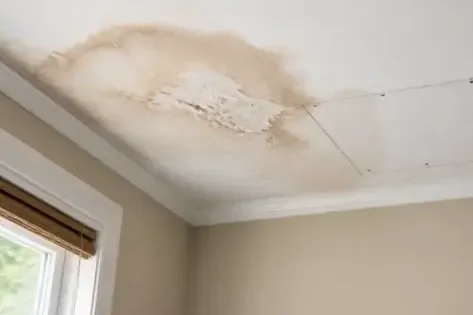
Ceiling Leak Water Damage
A stained or sagging ceiling means water is trapped above it, so drying reaches the cavity and the walls beneath.
Scope, cost and drying time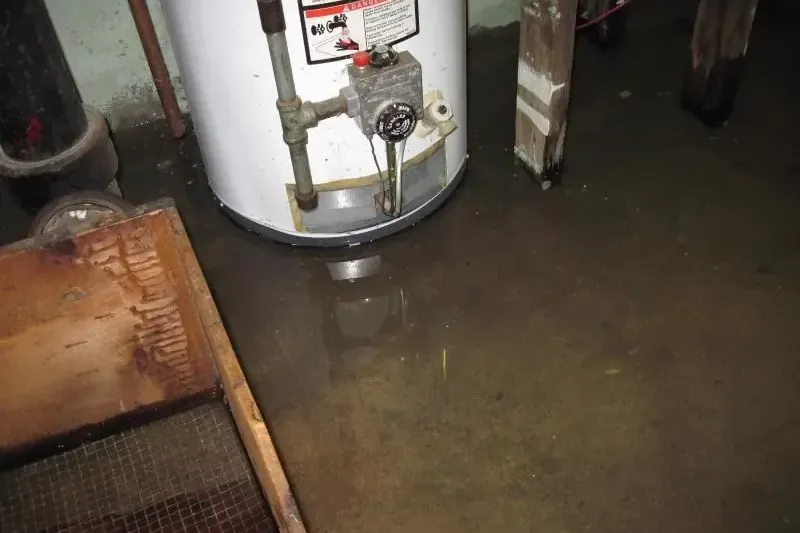
Water Heater Leak Cleanup
A failing tank can empty into a closet or utility room fast, soaking the nearby walls and flooring.
Scope, cost and drying time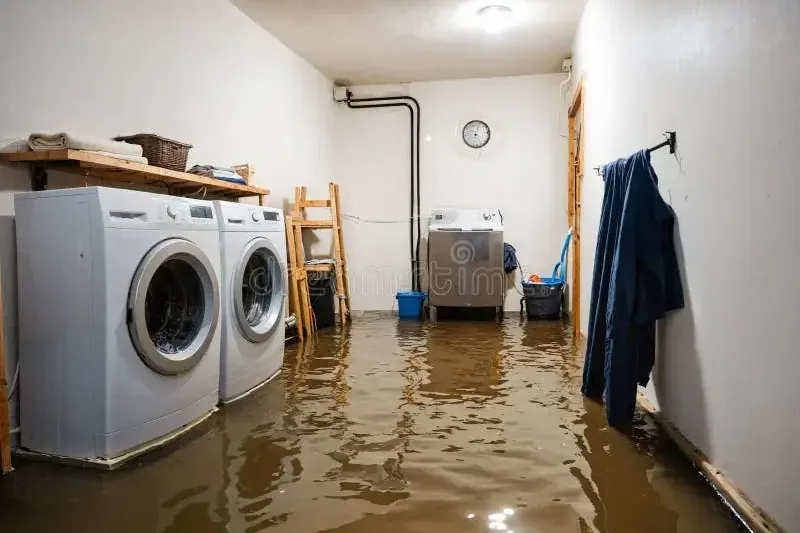
Appliance and Supply Line Leaks
Washers, dishwashers and supply hoses leak slowly behind cabinets and under floors, where a moisture meter finds what eyes miss.
Scope, cost and drying time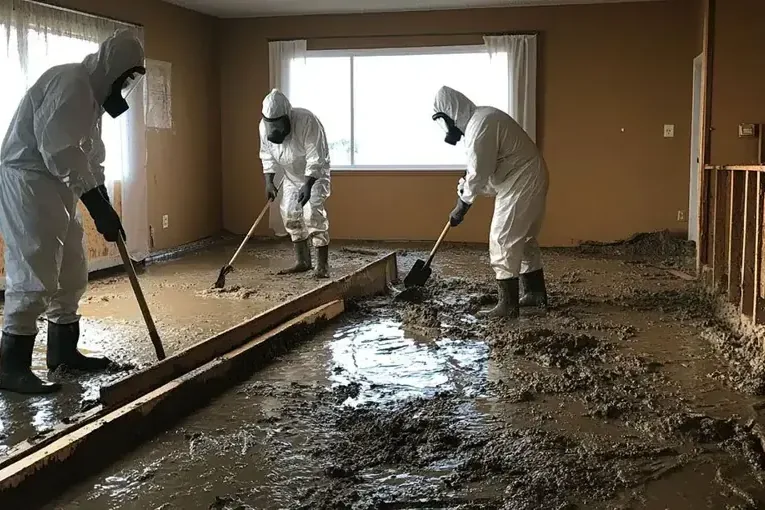
Sewage Backup Cleanup
Sewage in a bathroom or lower level is cleaned in protective gear, with porous materials removed and surfaces disinfected.
Scope, cost and drying time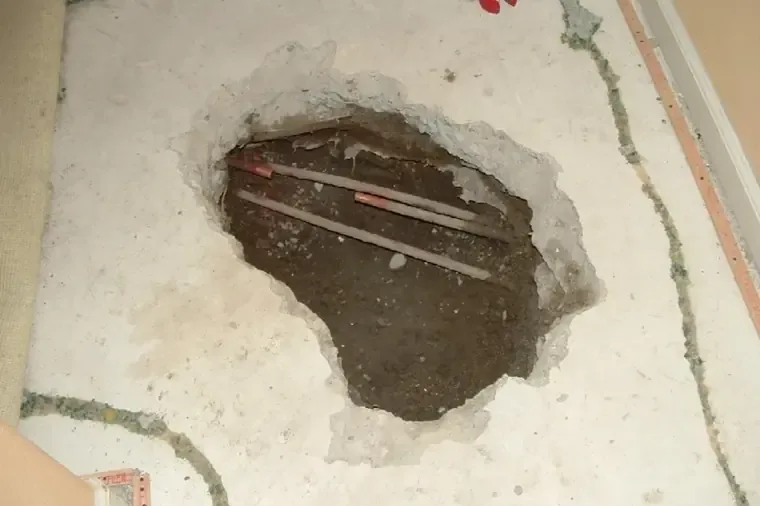
Slab Leak Water Damage
A leak beneath a concrete floor shows as damp flooring or warm spots, and the wet area is mapped before drying begins.
Scope, cost and drying time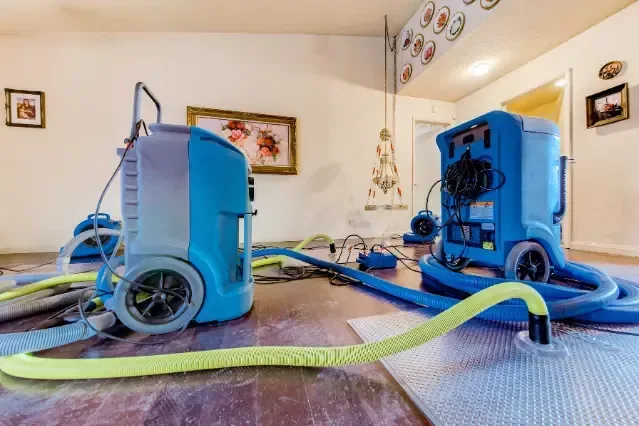
Structural Drying and Dehumidification
Air movers and dehumidifiers draw moisture out of studs, subfloors and slabs until readings settle, which matters most in humid summer air.
Scope, cost and drying time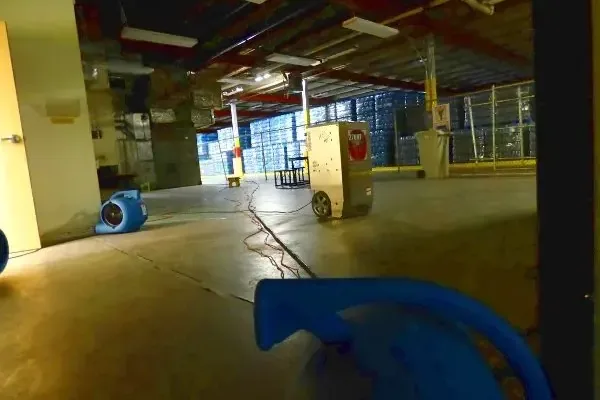
Commercial Water Damage
Shops, studios and offices get a staged plan that keeps doors open where possible while the wet areas move through drying.
Scope, cost and drying timeWhat to do before the crew gets there
Stop the source
Close the main valve or switch off the appliance, if that is safe, and keep power away from wet areas.
Avoid standing water
Creek and sewer water can carry bacteria, so keep children and pets out until the source is known.
Photograph everything
Take wide and close photos of the damage before anything moves, because adjusters work from them.
Lift small items
Raise rugs, electronics and papers off wet floors and leave heavy furniture for the crew.
Call and describe
Tell the crew what is wet, how it started and which rooms are touched, so the right gear is loaded.
A documented process from first meter to final reading
Every job follows the same arc: stop the water, remove what cannot dry, set equipment, and keep measuring until the readings match dry materials. Photos and logs record each stage for the claim file.
Stop and extract
Pumps and wands remove standing water first, since the longer it sits the deeper it wicks into framing and flooring.
Open and inspect
Baseboards, drywall or flooring come out only where meters show water, so the repair stays as small as possible.
Dry with equipment
Air movers and dehumidifiers run continuously while the team checks readings and moves gear as areas dry.
Verify and document
The job closes only when readings match the dry standard, with photos and logs handed over for the insurer.
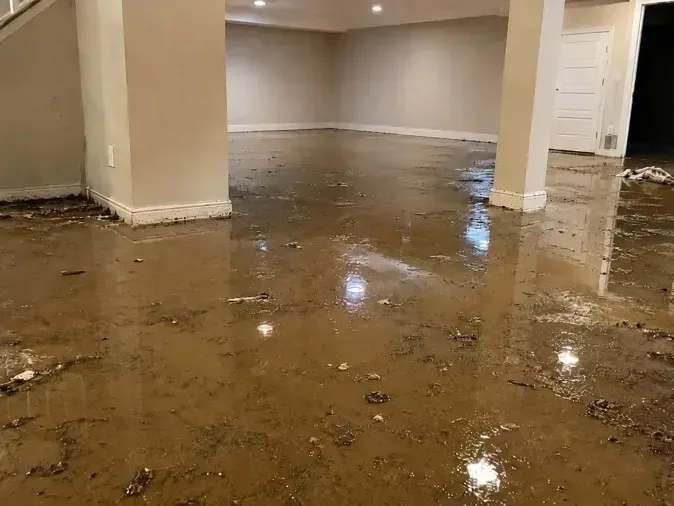
What water damage and drying look like
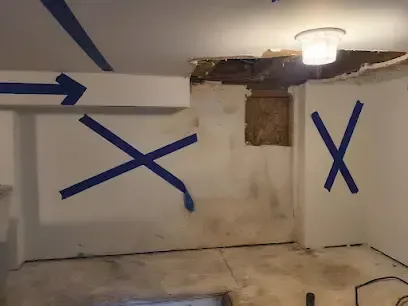
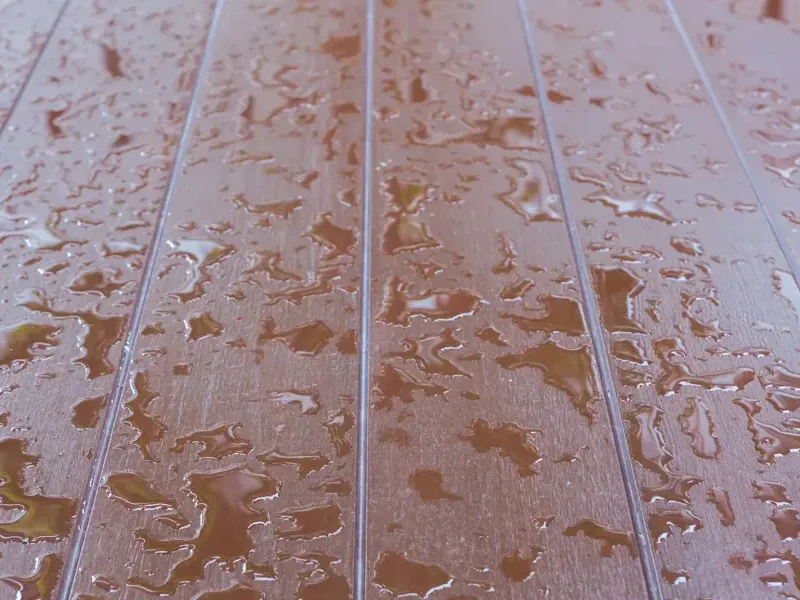
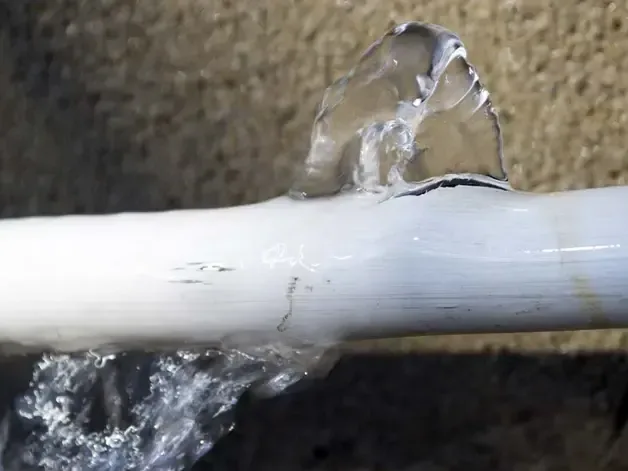
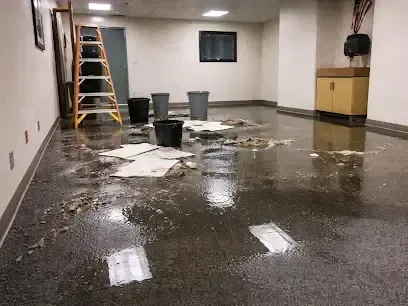
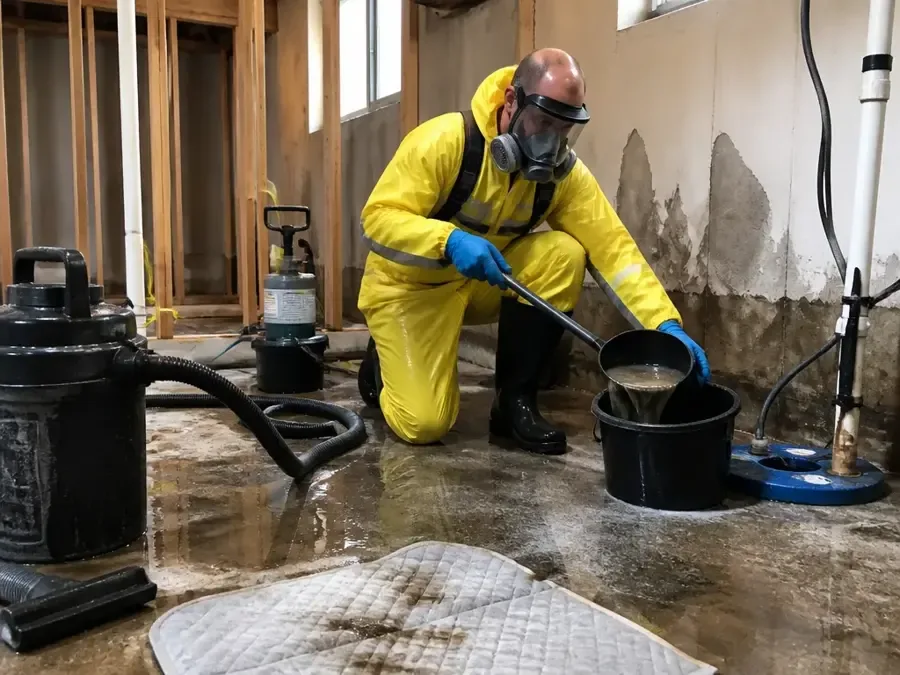
Drying done by readings, not guesses
A wet floor looks fixed long before the framing is dry. The drying team tracks moisture readings and keeps equipment running until the materials reach their dry targets.
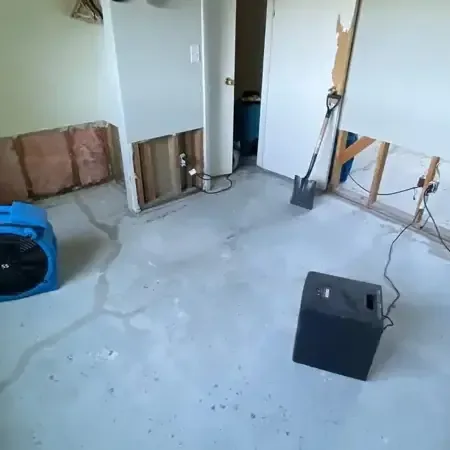
Moisture mapping
Meters and thermal imaging trace water through walls, floors and ceilings, so only the panels that are truly wet get opened.
Equipment sized to the room
Air movers and dehumidifiers are matched to the wet area, then adjusted as readings change from visit to visit.
Clear daily notes
Each visit adds readings and photos to a written record that the adjuster can follow without guessing.
Water and sewage focus
The work stays on water and sewage losses, so the crew and its equipment are built for exactly that job.
Three kinds of loss that bring the most calls
Creek and storm flooding
Fast rain can push creek water into low yards and homes, and that water needs removal, cleaning and careful drying.
Flood cleanup detailsPipes in a hard freeze
Mild winters leave pipes unprotected, so one cold snap can split a supply pipe and soak the walls around it.
How burst pipes get fixedSewer trouble
Backups and sewer breaks bring contaminated water indoors, and cleanup calls for protective gear, removal of porous materials and disinfecting.
What sewage cleanup involvesWhat water damage cleanup usually costs
Most jobs land between $1,200 and $40,000 or more, depending on how many rooms are wet, how long the water sat and whether it was clean or contaminated. Photos help narrow the range.
- Water extraction
- Fans and dehumidifier
- Moisture checks
- Wet insulation removal
- Opened walls and floors
- Daily drying visits
- Contaminated material removal
- Disinfecting and sanitizing
- Rebuild-ready drying
What moves the number
These ranges reflect typical jobs and shift with the materials involved. Hardwood, slabs and ceilings cost more to dry than carpet, and an adjuster's scope sets what insurance covers.
Working with your insurance adjuster
Water losses usually go through a homeowner or renter policy, and the paperwork goes smoother when the damage is documented from the first visit.
- Photos of every wet room before cleanup starts
- A written list of items moved, removed or discarded
- Moisture readings from the first day to the last
- Notes on the cause, such as a failed supply hose or a roof leak
- Receipts for equipment, hotel stays and emergency repairs
Before the adjuster arrives
Damage from a rising creek is often handled under separate flood coverage rather than a standard homeowner policy, so ask the carrier which one applies to the loss.
Sudden pipe and appliance breaks are treated differently from long-term seepage, so record when the leak was found and how it was stopped.
Where the crew works in Carrboro
ZIP codes
Not on the list? Describe where the damage is
Streets and buildings not named above are still covered. Give the address when calling and the crew confirms the visit details before heading out.
Homes, townhomes, shops and civic buildings all get the same moisture-first approach, from small ceiling leaks to full creek flooding.
Email for non-urgent questions: [email protected]
Browse every town the crew covers ›
(888) 578-4720Ring the crew about your streetStreets and landmarks
Nearby towns
What puts Carrboro homes at risk
Creeks that rise quickly, heavy summer storms and the occasional hard freeze shape water damage here. The crew plans for each of these before the first call comes in.
Rising creeks
News coverage after Chantal named Toms Creek and Morgan Creek as the flood source for a hard-hit neighborhood, in an area that includes AE flood zones and an AE floodway.
Heavy summer rain
Monthly rainfall averages 3.2 to 4.5 inches and peaks in summer, so roofs, gutters and low yards are tested all season.
Sewer breaks
After Chantal, sewer breaks were repaired while residents were told to avoid creek and stream water, so any backup in a flooded home needs protective handling.
Hard freezes
Winters usually stay above freezing, which leaves pipes unprotected when snow and ice arrive; OWASA urged customers in early January 2018 to guard against frozen and burst pipes.
Close-set townhomes
In townhome communities such as Canterbury Townhomes, units sit close together, so a leak from above can reach a neighbor's ceiling.
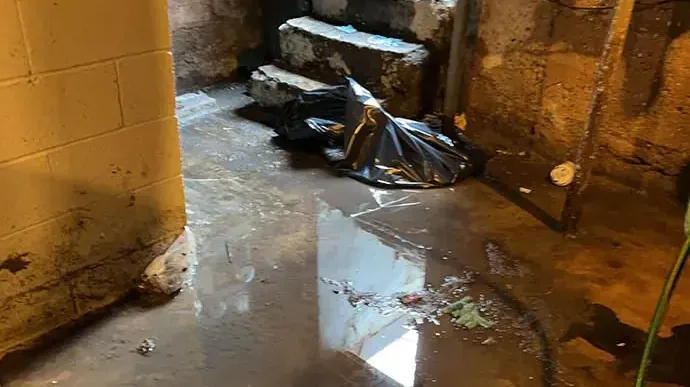
July 6 to 7, 2025 Remnants of Tropical Storm Chantal dropped 5 to 9 inches of rain on Orange County, hitting Canterbury Townhomes, Weatherhill Pointe and the Public Works Facility.
Carrboro water damage questions
Water in the house right now?
Describe what is wet and where it started. The crew explains the first steps and sets up the right equipment for the loss.
(888) 578-4720 Ask the crew what to doHow quickly does water damage spread through a house?
Water wicks into drywall, insulation and subfloors faster than most people expect, and wet materials can start growing mold in a day or two. That is why extraction and drying should begin as early as possible.
What caused the flooding in July 2025?
Remnants of Tropical Storm Chantal brought 5 to 9 inches of rain across Orange County, and flash flooding followed from Sunday evening into Monday morning. Low-lying areas saw water rescues and evacuations.
Is it safe to touch creek water after a flood?
While sewer breaks were being repaired after Chantal, residents were told to avoid contact with surface water, including creeks and streams. Floodwater inside a home should be treated the same way until it is removed and the area is cleaned.
Can frozen pipes really be a problem in Carrboro?
Winter temperatures usually stay above freezing, but snow and ice storms are not unusual. OWASA advises letting water drip from fixtures when pipes cannot be protected from freezing. A pipe that has already split is covered under frozen pipe damage.
Who handles the water and sewer service here?
Orange Water and Sewer Authority (OWASA), a public non-profit, provides water, sewer and reclaimed water to Chapel Hill and Carrboro. Damage inside the walls is a different matter and needs a drying crew.
Does insurance cover creek flooding?
Standard homeowner policies often exclude rising water, so flood coverage may be separate. The state's flood.nc.gov tool lets residents check flood risk at a specific address. Ask the carrier before work starts.
What should be photographed before cleanup starts?
Wide shots of each wet room, close shots of damaged materials, and the failed pipe or appliance itself. Adjusters rely on that record, so take the photos before anything is moved.
Do commercial buildings get the same treatment as homes?
The methods are the same, but the plan is staged around the business. Shops, studios and offices often need part of the space kept open while the wet areas dry.
Was tap water affected by the Chantal flooding?
After the storm, Chapel Hill and Carrboro were not under a boil water advisory. The contaminated water to worry about was floodwater and sewer breaks, which need protective handling indoors.
What happens during the first visit?
The team finds the source, maps moisture with meters and thermal imaging, removes standing water and sets air movers and dehumidifiers. Daily visits follow until readings reach dry targets. Photos and moisture logs are kept for the insurance file.
Wet floors, stained ceilings or a flooded yard? Call the crew
Describe the damage in plain words. The restoration team plans extraction, drying and cleanup gear around what is wet.
(888) 578-4720Call the drying crew now