Water Damage Restoration Morrisville, NC
Water in a crawl space, a pipe split by a hard freeze or tropical rain through a ceiling: local restoration pros extract it, dry the structure to a reading and log every step.
Shut off the main if it is safe, stay clear of wet outlets and photograph the damage first.

Water Damage Restoration Services in Morrisville, NC
Water and sewage work only, shaped to Triangle houses: crawl spaces on red clay, shared townhome walls, attic water heaters and pipes that freeze in a hard cold snap.
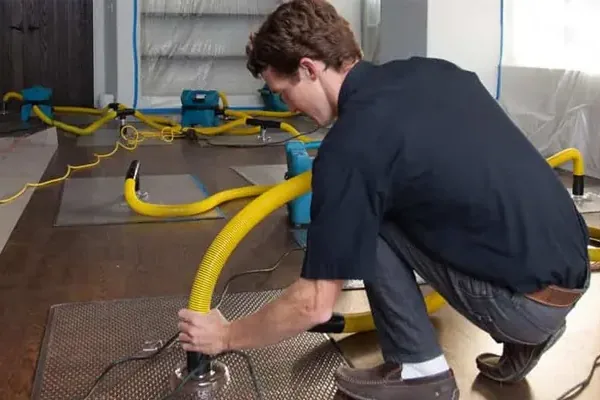
Water Extraction and Removal
Truck-mounted and portable extractors pull standing water out of carpet, pad, hardwood and tile before it wicks into walls.
Inside the water extraction and removal work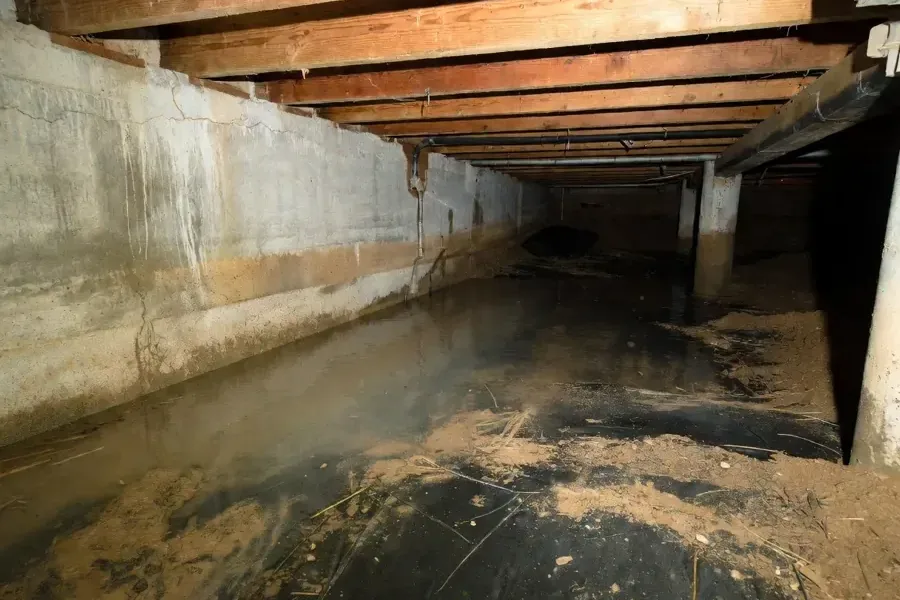
Crawl Space Water Removal
Water pumped off the vapor barrier, sagging wet insulation pulled, and joists and subfloor dried with dehumidifiers sized to the space.
Inside the crawl space water removal work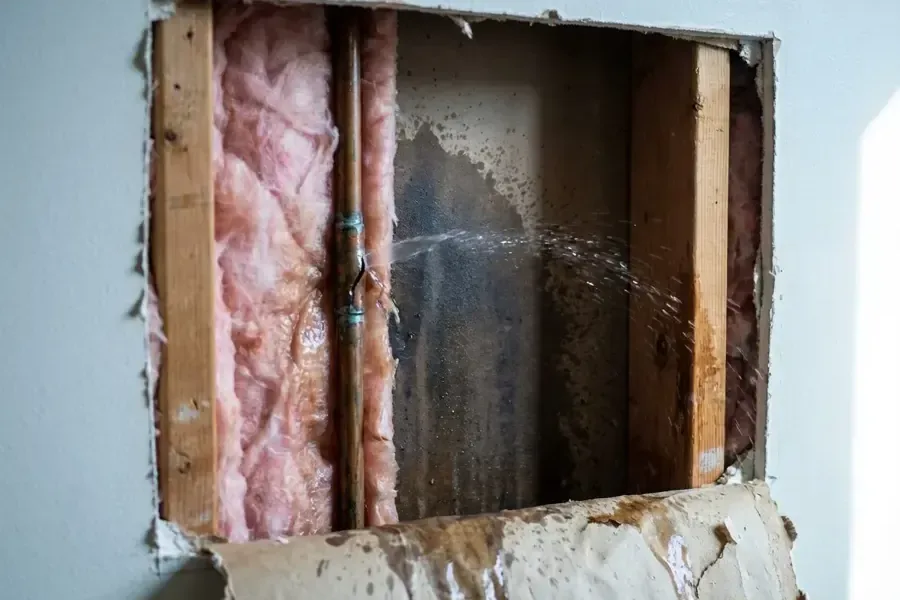
Burst Pipe Water Damage
Split fittings and failed supply pipe inside walls and ceilings traced with meters, cavities opened where needed and dried.
Inside the burst pipe water damage work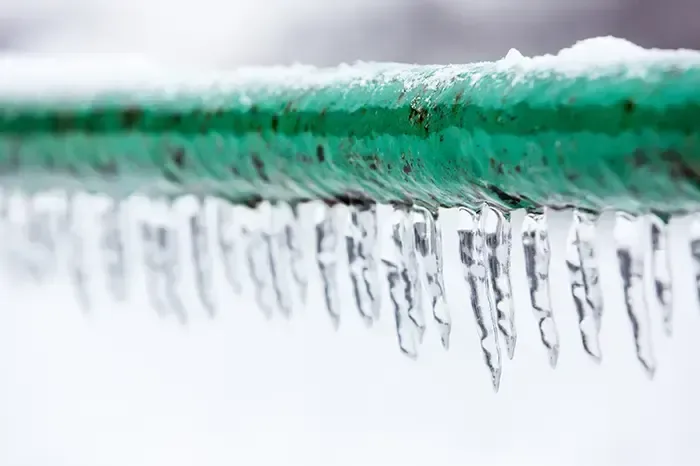
Frozen Pipe Water Damage
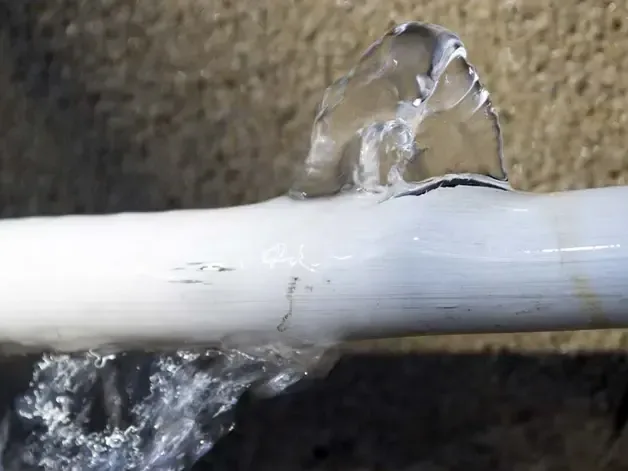
Pipes in attics, crawl spaces and outside walls that split during a hard freeze, dried out once the thaw shows the leak.
Inside the frozen pipe water damage work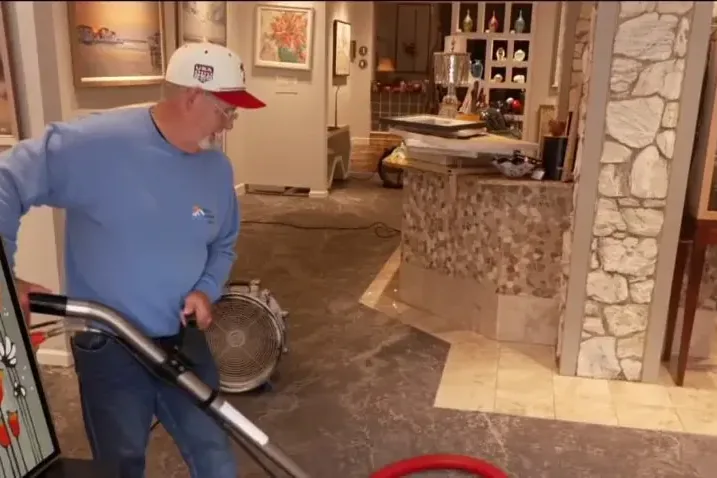
Storm and Hurricane Rain Damage
Wind-driven rain from summer thunderstorms and tropical systems dried out of ceilings, walls and floors before it spreads.
Inside the storm and hurricane rain damage work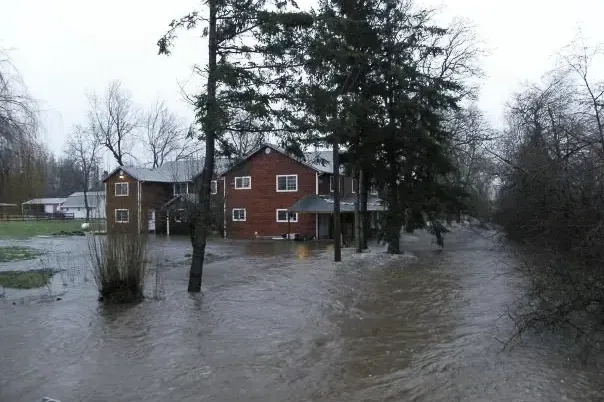
Flood Water Cleanup
Creek overflow and yard runoff that comes in at doors and vents treated as Category 3, removed and dried.
Inside the flood water cleanup work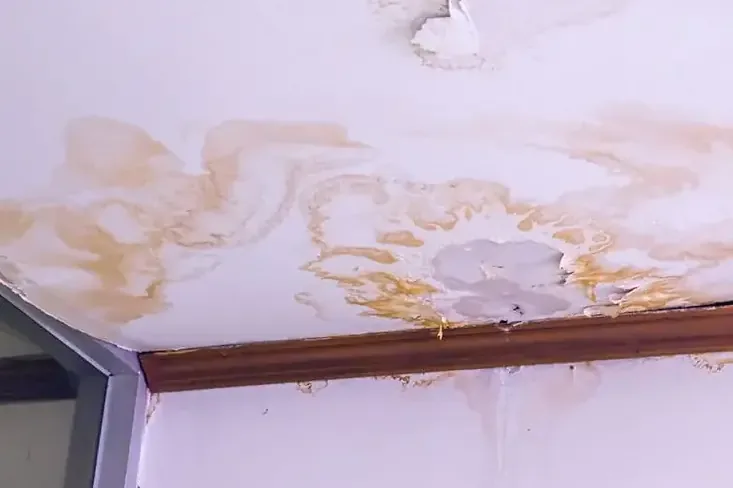
Roof Leak Water Damage
Leaks at aging shingles, flashing and vent boots traced, wet attic insulation removed and ceiling drywall dried or replaced.
Scope, cost and drying time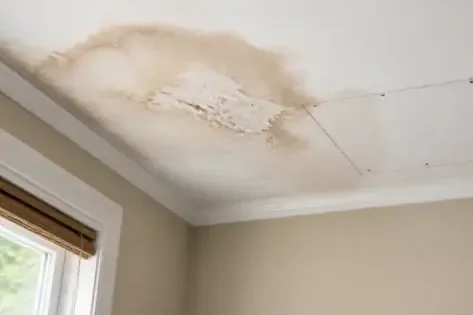
Ceiling Leak Water Damage
Upstairs bath, laundry and next-door townhome leaks traced through the ceiling, joist bays opened and dried to a reading.
Scope, cost and drying time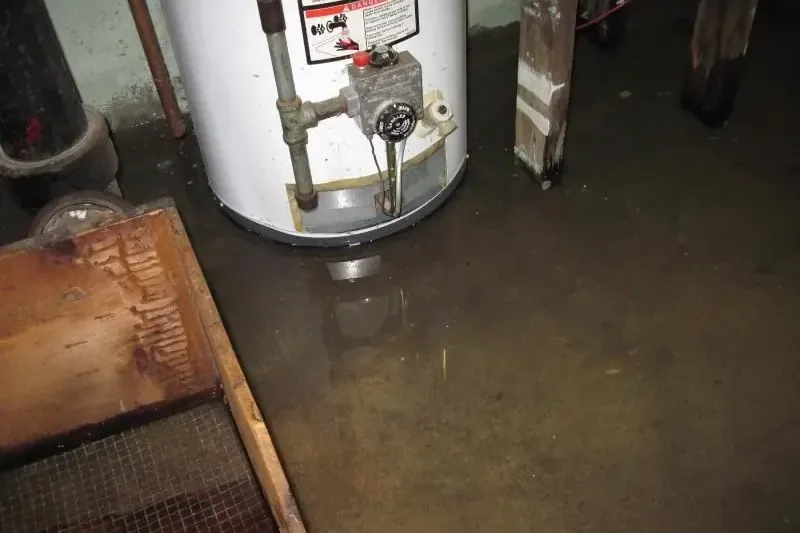
Water Heater Leak Cleanup
Tank failures in garages, closets and attics extracted quickly, before drywall, flooring and the ceiling below soak through.
Scope, cost and drying time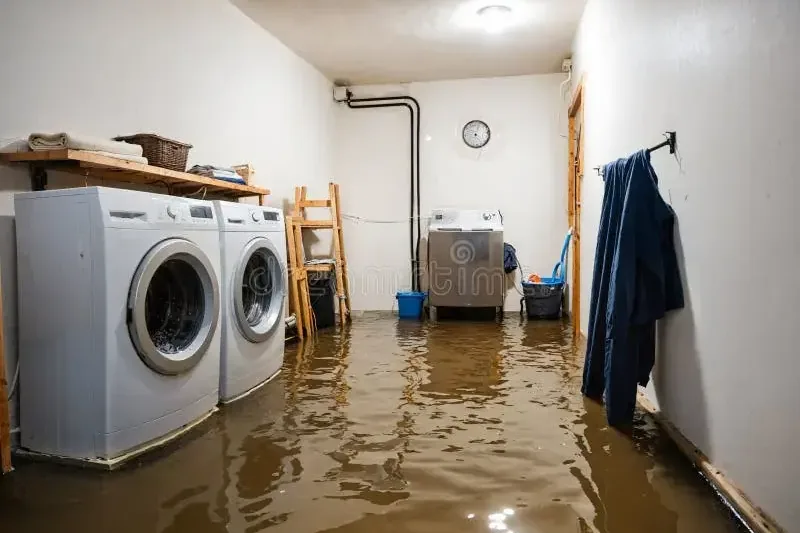
Appliance and Supply Line Leaks
Washer hoses, dishwasher lines, ice makers and toilet supplies that fail under cabinets and floors, extracted and dried.
Scope, cost and drying time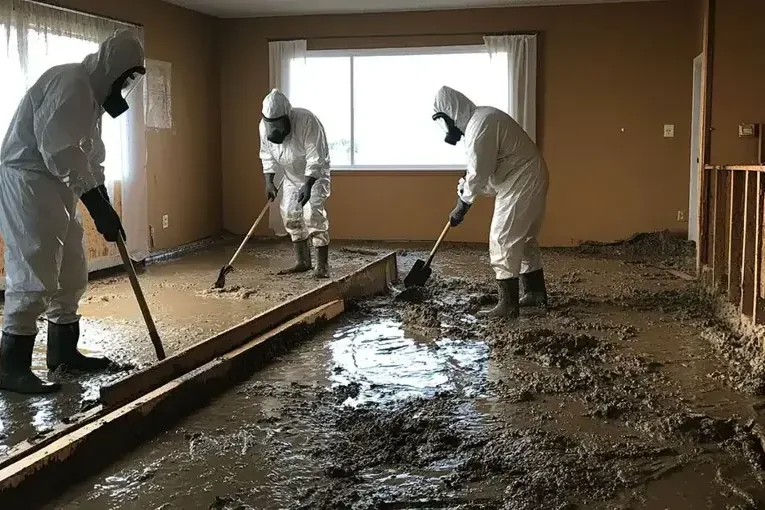
Sewage Backup Cleanup
Toilet, tub and floor drain backups handled as Category 3, porous materials removed and surfaces treated with EPA-registered antimicrobial.
Scope, cost and drying time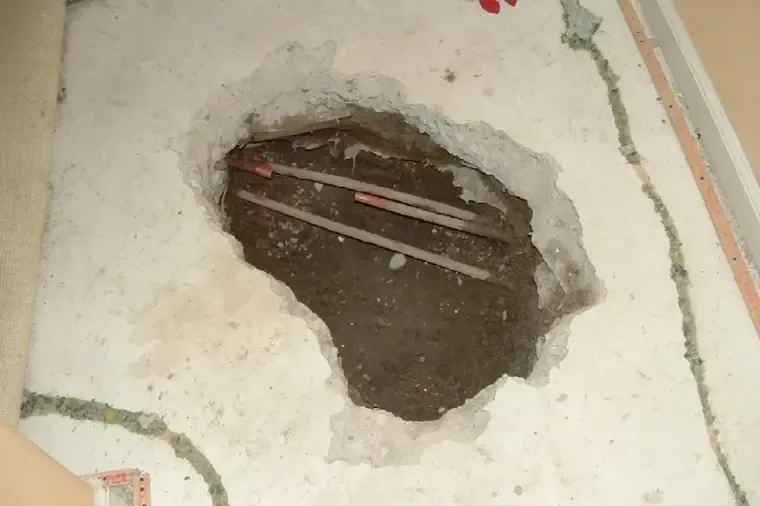
Slab Leak Water Damage
Hidden leaks under townhome and single-family slabs mapped with meters, flooring lifted and the concrete dried with LGR units.
Scope, cost and drying time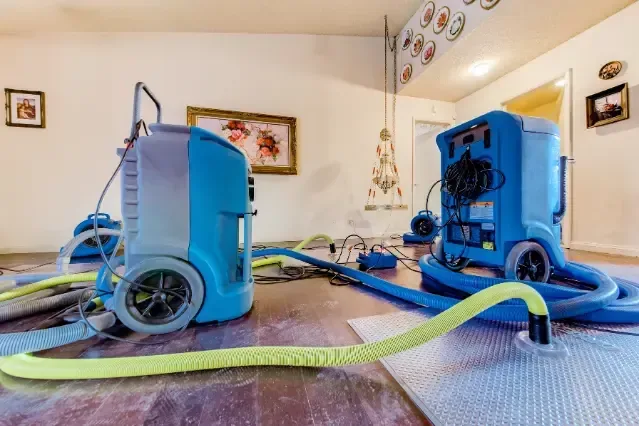
Structural Drying and Dehumidification
Framing, subfloor, drywall and concrete dried with air movers and LGR dehumidifiers to within 2 to 4 points of dry.
Scope, cost and drying time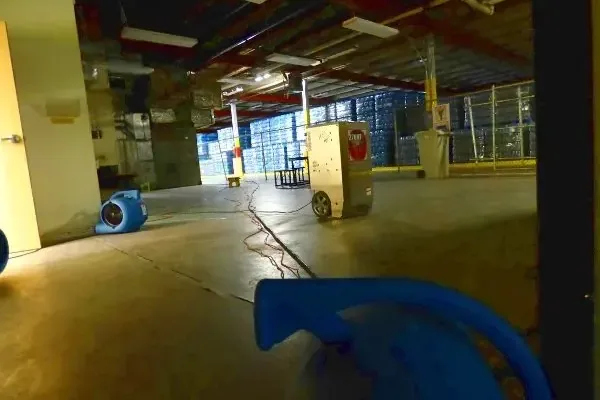
Commercial Water Damage
Offices, labs, shops and apartment buildings near RDU and the research park dried in phases to keep work moving.
Scope, cost and drying timeFive things to do while the drying crew heads out
Stop the water
Close the main shutoff, usually in the garage, a utility closet or the crawl space where the line enters.
Cut power to wet rooms
Switch off breakers for wet rooms if the panel is dry and safe to reach.
Photograph everything first
Take wide shots and close-ups of the water, stains and wet contents before anything moves.
Lift what you can
Move rugs, electronics and boxes to a dry room, and set foil under furniture legs.
Stay out from under the house
Do not crawl under a flooded floor with water or sewage near wiring; the crew pumps it out.
How a dry-out is held to IICRC S500
IICRC S500 is the trade standard for water damage. It sets how water is categorized, how equipment is sized to the class of loss and when a structure counts as dry: by meter, not by touch.
Map the moisture
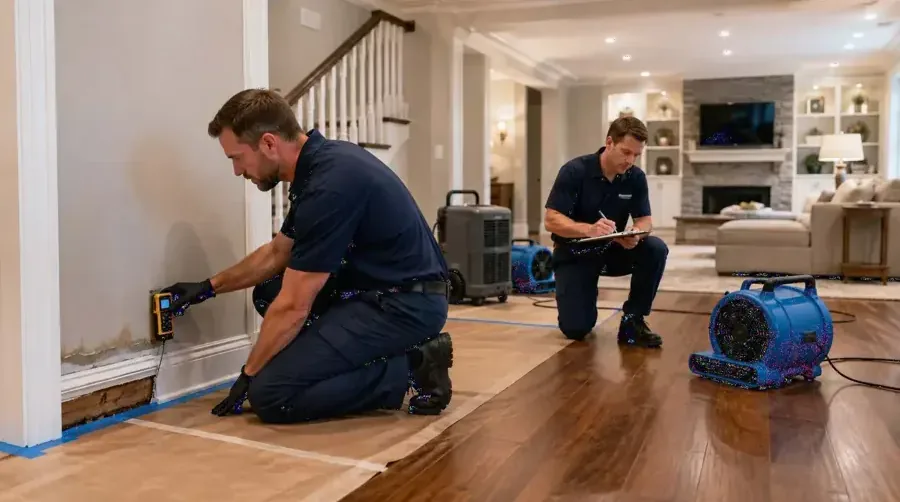
Pin and pinless meters plus thermal imaging trace how far the water traveled into walls, floors and the crawl space below.
Extract and remove
Truck-mounted units pull standing water, and anything Category 3 or past saving comes out under containment.
Set the drying plan
Air movers and LGR dehumidifiers are placed to the class of loss, with desiccant units for dense materials.
Read daily until dry
Readings are logged every day, and equipment leaves only when materials reach 2 to 4 points of a dry reference.
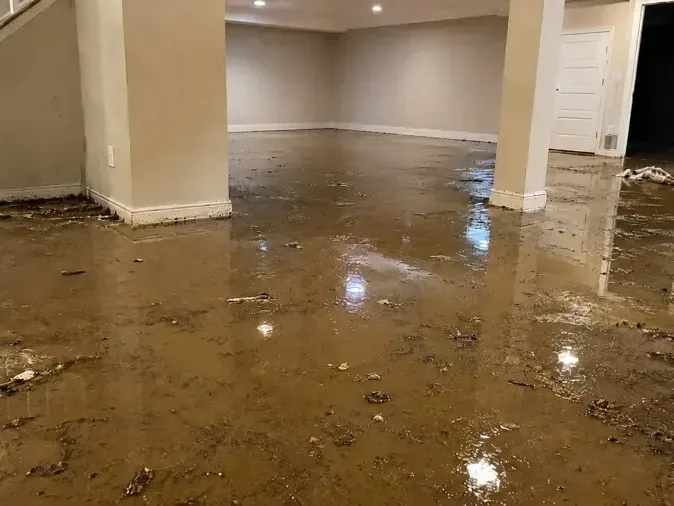
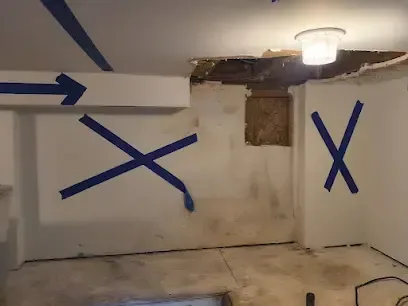
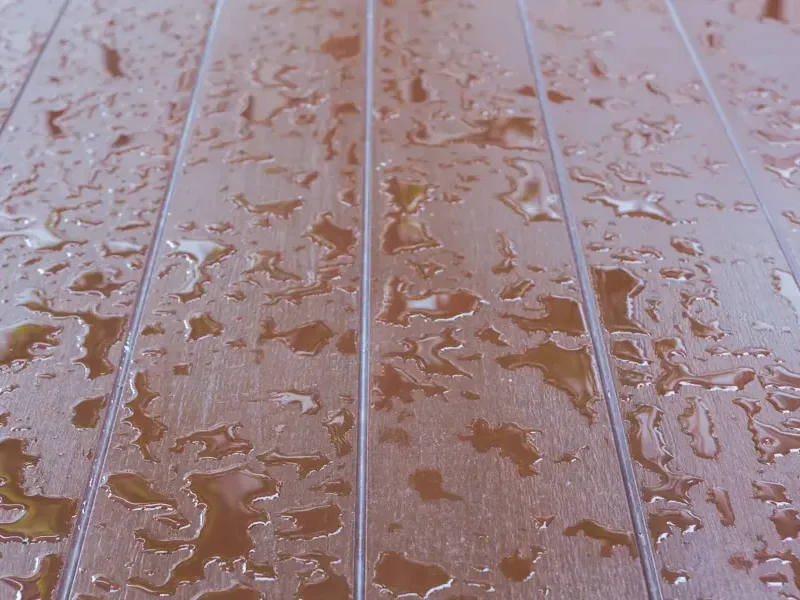
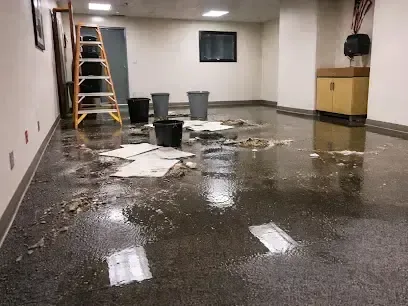
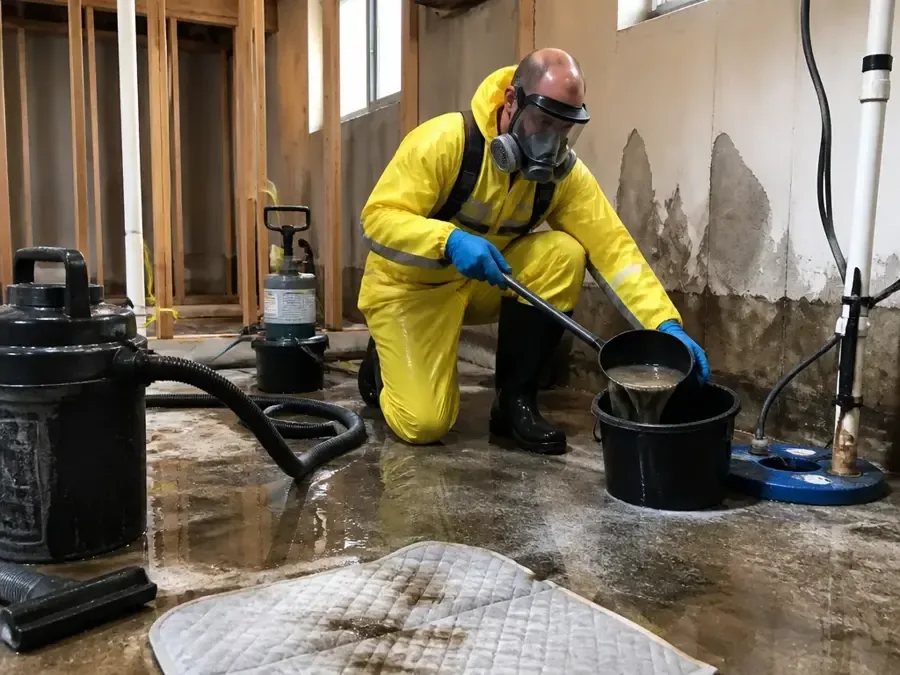
What water damage and the drying work tend to look like
Why Morrisville homeowners ask for readings, not guesses
A floor can feel dry while the subfloor, framing and wall bottoms still hold water. Meters find it, and the drying plan follows the numbers.
Urgent at any hour
Active water is handled as urgent 24/7, nights, weekends and holidays included, because drying starts the moment extraction ends.
Equipment sized to the loss
Air movers and LGR dehumidifiers are counted from the class of loss and the room volume, not guessed from the doorway.
Records an adjuster can use
Moisture maps, daily psychrometric logs and timestamped photos taken before demolition build the claim file as the job runs.
Know-how for local houses
Crawl spaces on red clay, shared townhome walls, attic water heaters and supply lines from the 1990s building boom all get checked.
Three categories of water, three different ways to clean up
Clean water from a supply line
A burst pipe, a water heater or a supply hose starts as Category 1. Caught early, most materials dry in place.
Burst pipe drying detailsGray water from appliances
Washer, dishwasher and overflow water carries soap and soil. Pad usually comes out and surfaces get an antimicrobial.
Appliance leak cleanup detailsBlack water from sewage or floods
Sewage and creek or yard flood water are Category 3 from the start. Porous materials it touched are removed, not dried.
How sewage cleanup worksWhat does water damage restoration cost in Morrisville, NC?
Water damage restoration here typically runs $1,200 to $5,500 for one room of clean water caught early, and $5,500 to $15,000 or more once a crawl space, several rooms or Category 3 water is involved.
- Extraction and pad removal
- Air movers and LGR drying
- Daily moisture readings
- Crawl space pump-out
- Wet insulation removed
- Containment and drying
- Category 3 removal
- EPA-registered antimicrobial
- Rebuild-ready dry-out
What moves the number
Ranges are typical, not a quote. The category of water, the square footage, the material class and how fast drying started move the number most. The walkthrough and moisture map set the real scope.
What a well-built claim file holds
Adjusters approve what they can see documented. A clean file starts on the first visit, before any carpet, pad or drywall leaves the house.
- A moisture map showing how far the water traveled
- Daily psychrometric logs of temperature, humidity and grains per pound
- Timestamped photos taken before any demolition
- The water category and class of loss, recorded on day one
- A line-item scope of what was removed and why
Before you file anything
Sudden and accidental water, like a burst pipe or a failed water heater, is often covered. Flood water from outside usually needs a separate flood policy, and sewer backup often needs its own endorsement.
Check your own policy and talk to your insurer before work starts. The restoration team documents the loss; the insurer decides coverage.
From the Town Center to Kitts Creek and beyond
ZIP code
Anywhere in Morrisville or the towns that border it
Dispatch runs 24/7 across ZIP 27560, from Shiloh and the Town Center out to the homes along Crabtree Creek and the offices near the airport.
Not sure your street is covered? Call anyway; coverage reaches Cary, Durham, Research Triangle Park and Apex too.
Email for non-urgent questions: [email protected]
See every neighborhood and nearby town covered ›
(888) 578-4720Ask whether a crew covers your streetNeighborhoods and corridors
Nearby towns
How water gets into Morrisville houses
The town sits on slow-draining red clay, gets around 46 inches of rain a year and grew mostly after 1990, so its water damage follows a few clear patterns.
Crawl spaces on red clay
The red clay under much of western Wake County drains slowly, so heavy rain soaks the ground and pools on vapor barriers under the floor.
Thunderstorms and tropical rain
Summer storms and the remnants of hurricanes like Fran and Florence drive rain past shingles, flashing and windows, and flood low ground along Crabtree and Indian Creeks.
Hard freezes
Most winters are mild, which is why pipes in attics and outside walls are rarely protected. A hard cold snap splits them, and the leak shows after the thaw.
Townhomes and shared walls
Long townhome rows and apartment buildings near NC 54 and Park West Village mean a leak in one unit often lands in the ceiling or wall next door.
A building boom reaching its age
Homes from the 1990s and 2000s now carry water heaters, washer hoses, supply lines and roofs at the end of their working life.
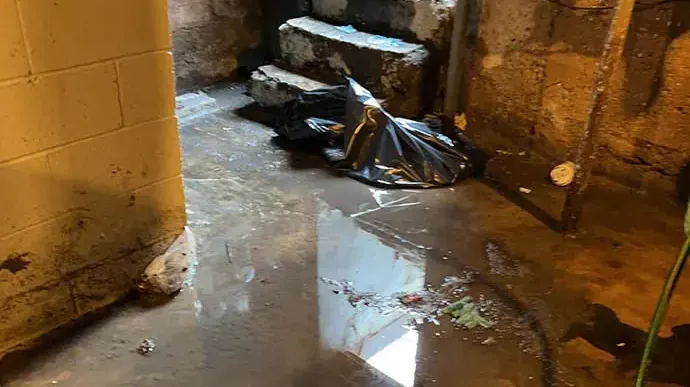
Christmas 2022 freeze An Arctic blast on Christmas Eve brought rolling power outages across North Carolina, and unprotected pipes in attics, crawl spaces and outside walls were at risk when it thawed.
Water damage questions from Morrisville homeowners
Water coming in right now?
Skip the reading for now. Shut off the main if it is safe, stay clear of wet outlets and call dispatch at any hour.
(888) 578-4720 Talk through the leak nowHow fast can a crew get to a home in Morrisville?
Dispatch runs 24/7, and active water is treated as urgent at any hour, weekends and holidays included. Timing depends on the day and where crews are working, so the dispatcher gives a real arrival window on the call.
Will homeowners insurance pay for water damage?
Sudden and accidental water, like a burst pipe or a failed water heater, is often covered. Flood water from outside usually needs a separate flood policy, and sewer backup often needs an endorsement. Check your own policy; the restoration team documents the loss, and the insurer decides.
Why does my crawl space hold water after every storm?
Much of the area sits on red clay that drains slowly. Rain soaks the ground around the foundation and seeps in under the house, where it pools on the vapor barrier and wets insulation and joists.
How long does drying take?
A contained loss caught early usually dries in three to five days. Crawl spaces, hardwood, slabs and water that sat for days take longer. Equipment stays until materials read within 2 to 4 points of a dry reference.
What is IICRC S500?
It is the industry standard for water damage restoration. It covers how water is categorized, how drying equipment is sized to the class of loss and how dryness is verified with meters rather than by touch.
What should I do before the crew arrives?
Stop the water at the main shutoff, switch off breakers to wet rooms if the panel is dry, photograph everything and move rugs and electronics to a dry room. Stay out of a flooded crawl space.
When does wet drywall have to come out?
Drywall touched by Category 3 water comes out. Clean-water drywall can often be dried in place if extraction starts early, but drywall that is swollen, crumbling or wet behind vinyl wallpaper is usually cut out.
Why is sewage handled differently from a pipe leak?
Sewage is Category 3 water from the start. It carries bacteria and viruses, so the crew wears PPE, removes porous materials it touched and treats surfaces with an EPA-registered antimicrobial at the label dwell time.
How is the cost of a water damage job figured?
By the category of water, the square footage that got wet, the material class and how fast drying started. Equipment days, removal, containment and antimicrobial treatment are listed line by line in the scope.
Do frozen pipes really burst around here?
Yes. Hard freezes are not frequent, so pipes in attics, crawl spaces and outside walls are often unprotected. The Christmas 2022 cold snap, with rolling power outages across the state, showed how fast an unprotected line can fail.
Water spreading through a Morrisville home? Get the drying started now.
Every hour the water sits, it soaks deeper. The extraction crew rolls around the clock across western Wake County.
(888) 578-4720Start the dry-out by phone