Water Extraction and Removal in Rolesville, NC
Standing water ruins flooring and soaks into drywall fast. The extraction crew removes it from floors, carpet and padding, then moves straight into drying so the damage stops spreading.
(888) 578-4720Speak with the extraction crew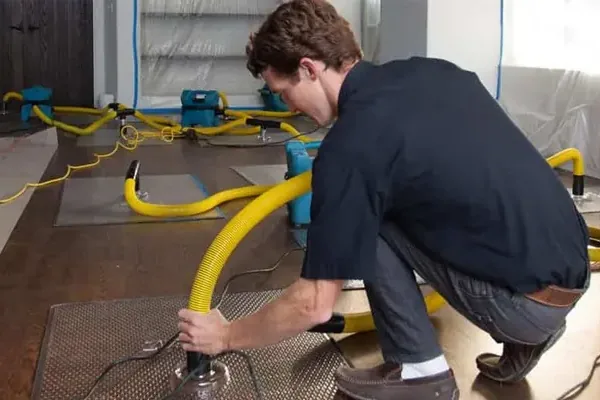
Four things every water job here gets
Dispatch around the clock
Active water is treated as urgent at any hour, and the response team rolls with truck-mounted extraction, air movers and LGR dehumidifiers.
Dried to IICRC S500
Equipment stays until framing, subfloor and drywall read within 2 to 4 points of a dry reference, not until the surface feels dry.
A claim file from day one
Moisture maps, daily psychrometric logs and timestamped photos taken before any demolition go straight into the insurance file.
Built for Triangle houses
Crawl spaces on slow-draining clay, shared townhome walls and attic water heaters all get checked, not only the room where water showed.
What to do first about water extraction and removal
Stop the source
The valve is shut and power near the wet area is checked.
Remove the water
Pumps and wet vacuums clear the floor and low spots.
Pull wet materials
Soaked padding and loose trim are taken out for drying.
Hand off to drying
Meters mark what is still wet before equipment is set.
What does water extraction and removal cost in Rolesville, NC?
Water extraction in a home usually costs between $1,200 and $20,000 or more, and the biggest driver is the water type and how long it sat. Clean water from one room sits at the low end of that range.
- Pump or wet vacuum
- Pad removal
- Surface drying
- Deeper water removal
- Wall base opened
- Longer drying
- Protective gear worn
- Contaminated materials removed
- Disposal
How water extraction and removal is handled, start to dry
Contain
Stop the source and protect dry rooms.
Remove
Pumps and vacuums clear standing water.
Strip
Soaked padding and loose trim come out.
Dry
Equipment is set once the readings are mapped.
Standing water in a home does more harm the longer it stays. It wicks up drywall, swells baseboards and settles into the padding under carpet. Extraction is the first job on any wet floor, because every other step depends on how much liquid the crew gets out before the drying equipment goes in.
How the extraction crew clears a wet floor
The work follows a set order:
- The source is stopped and the electrical risk is checked before anyone steps in.
- Pumps handle deep water, and wet vacuums finish the thin film on hard floors.
- Wet carpet is lifted, and padding that cannot be saved is cut out and removed.
- Water type is judged so the crew knows when protective gear and disposal rules apply.
Clean supply water is handled differently from sewage or long-standing water, and the price tiers below follow that split.
Standing water damages floors and walls more with every passing day. Talk with the extraction crew about what is wet.
Describe your wet floorWhat happens to floors, walls and padding
Hardwood, laminate and tile can often be dried in place when the water comes out early. Carpet pad holds water like a sponge, so it is usually the first material to go.
- Hardwood is dried with mats and low airflow
- Padding is removed, and carpet is often kept
- Baseboards come off to open the wall base
- Wet insulation is pulled from low cavities
Porous materials that stay wet for a day or two are treated as lost, since mold can follow.
Rough numbers before anyone visits
The cost calculator and the drying time estimator give typical ranges for a loss like this one. The walkthrough and the moisture map set the real scope.
Water supply and shutoff basics
Raleigh Water supplies the town's water, so a broken supply pipe is stopped at the home's main valve before extraction begins. Once the flow is off, the response team removes what is on the floor, logs moisture readings and hands the structure to the drying team so walls and subfloor follow the surface toward dry. For the next stage, see structural drying or the full service area.
Water extraction and removal across Rolesville and nearby communities
The extraction crew works across Rolesville from the shops along Main Street and Young Street to homes in Drayton Reserve, Elizabeth Springs and Granite Ridge Townhomes, all in ZIP code 27571.
The same service nearby: water extraction and removal in Morrisville, Wake Forest, Durham.
All water damage services for this town › · every area covered ›
Related water damage services
Water Extraction and Removal questions
Water still showing up?
Standing water damages floors and walls more with every passing day. Talk with the extraction crew about what is wet.
(888) 578-4720 Describe your wet floorHow fast does standing water need to come out?
As quickly as possible. Drywall, padding and baseboards absorb water fast, and mold can start in a day or two, so extraction comes first.
Can a wet hardwood floor be saved?
Often yes, when the water is removed early and the boards are dried slowly with mats and low airflow. Cupped or buckled boards are checked again once readings drop.
Does extraction include drying the home?
Extraction removes the liquid. Drying is the next stage, and the crew keeps the two connected so walls and subfloor are not left damp.
What if the water came from a sewer backup?
That is a Category 3 loss. Protective gear, removal of contaminated material and disposal all apply, which is why those jobs sit in the top price tier.
Should anything be moved before the crew arrives?
Furniture and small items can be lifted onto dry surfaces if the room is safe. Electrical items near water should be left alone until power is checked.
Which Rolesville homes get this service?
Water extraction runs for houses, townhomes and shops across the town, throughout ZIP code 27571.
Get the water out of your Rolesville home
The extraction crew removes standing water and sets the drying plan for the whole structure. Call now, any hour.
(888) 578-4720Get the pumps moving